Fun facts about Venice: things you might not know
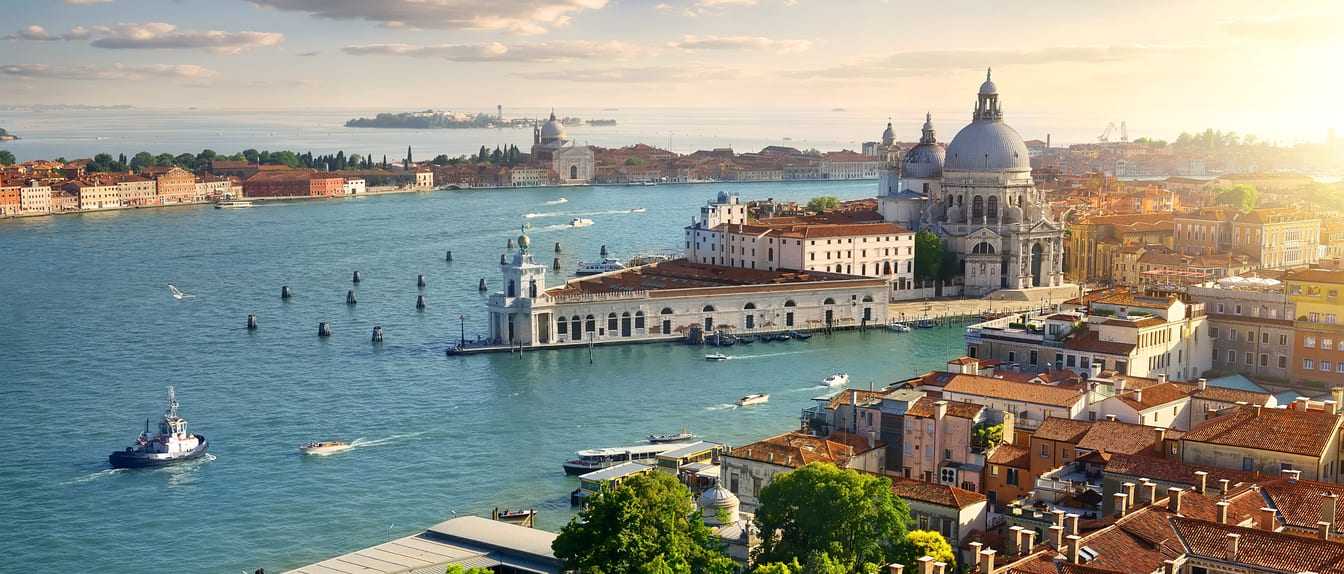
Venice is one of the most famous Italian cities in the world, renowned everywhere for its lagoon setting and the artistic and architectural treasures it preserves. Beyond the classic tourist attractions, Venice hides secrets and special features that go beyond the usual itineraries: among mysterious canals, asymmetrical gondolas and centuries-old traditions, "La Serenissima" continues to amaze visitors and history enthusiasts alike.
In this article, you'll discover four fascinating fun facts about Venice that will make your next visit even more interesting: from the unique architecture built on millions of wooden piles, to the hidden details of the famous gondolas, right through to the reason why the city is called La Serenissima. If you are planning a trip to Venice or simply want to get to know it better, get ready to discover this extraordinary city of art with new eyes.
Why is Venice called La Serenissima?
The first fun fact about Venice naturally concerns the nickname by which the city is known: La Serenissima. This title is believed to originate from the atmosphere that characterised the Republic of Venice, once known far and wide for its flourishing economy, trade routes extending as far as India, and its status as a major maritime power. These elements created a climate of prosperity and general well-being that defined the lagoon city and its inhabitants for centuries.
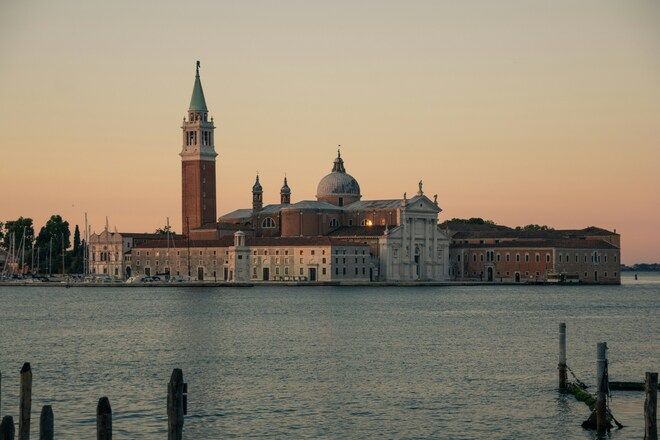
Another theory instead refers to the city's "political serenity" as a UNESCO World Heritage site perceived as extremely stable thanks to its institutions and continuity of government. This harmonious situation stood in stark contrast to other European states, often torn apart by internal conflicts. Moreover, Venice is thought to have deliberately presented itself as La Serenissima in order to project an image of harmony and superiority, which was crucial for business and for attracting commercial partners.
Gondolas: history and fun facts about their colour
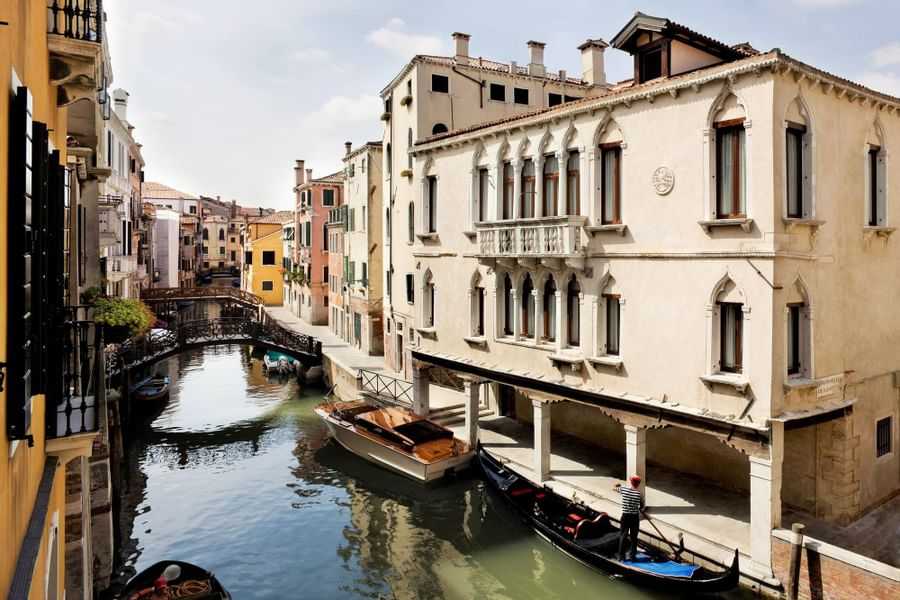
Gondolas are one of the most famous and iconic symbols of Venice, to the point of having become almost synonymous with the city itself. Today there are around 400 gondolas, whereas in the 16th century there were more than 10,000.
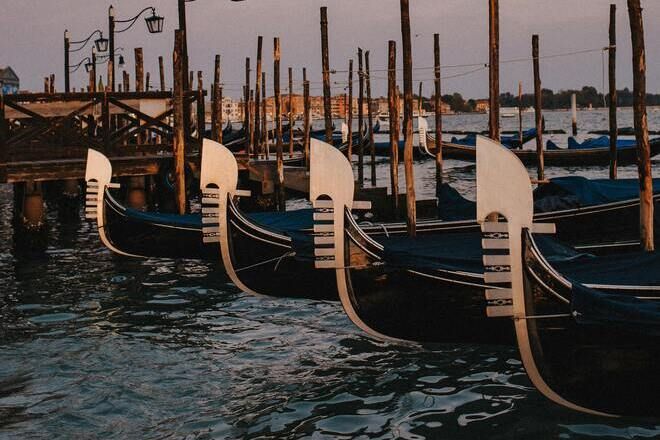
These waterborne means of transport are very ancient and are believed to have existed for over a thousand years: the first documented mention dates back to 1094. Over the centuries, they have undergone continuous changes, until they assumed their current form in the 19th century, with the left side being 24 cm wider to counterbalance the weight of the gondolier, who rows from the right. This asymmetry is one of the most fascinating characteristics of gondolas.
One fun fact about Venice you might not know is that gondolas were not always black. Originally, they were brightly coloured and richly decorated. In 1562, however, the Venetian Senate imposed black as the mandatory colour for all gondolas owned by patrician families, in order to avoid ostentatious displays of luxury and unnecessary competition.
More fun facts about gondolas
Gondolas are built in boatyards known as squeri, which have become attractions in their own right. The most famous is probably the Squero di San Trovaso, located just a short walk from the Zattere.
How does one become a gondolier? Not everyone knows that this profession requires a long and selective training path. Candidates must pass a rigorous examination that includes in-depth knowledge of Venetian history, perfect mastery of Venetian rowing (voga alla veneta), and the ability to navigate the narrowest canals. For a long time, the profession was passed down from father to son, but since 2010 women have also been able to become gondoliers.
The Canals of Venice: the Grand Canal and the rii
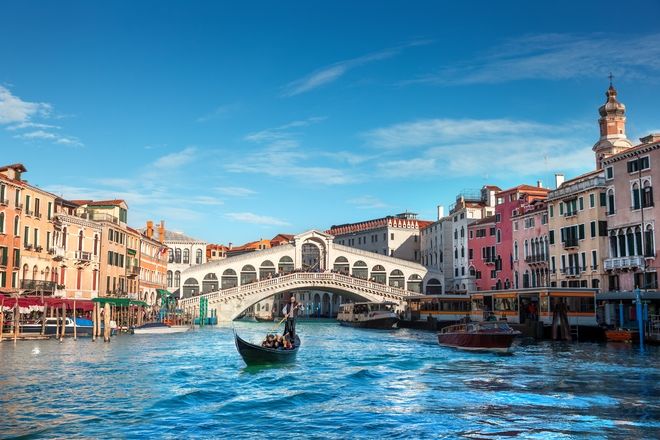
Venice is world-famous for its canals, which number around 150 and extend for a total of approximately 42 km. The Grand Canal is the city's main artery: 3.8 km long, between 30 and 70 metres wide, and around 5 metres deep, it divides Venice into two parts like a true natural waterway. It is crossed by four famous bridges:
-
The Rialto Bridge The most famous in Venice and the oldest crossing the Grand Canal. Its current version, in fact, dates back to 1591.
-
The Accademia Bridge
-
The Scalzi Bridge
-
The Constitution Bridge, completed in 2008.
Another interesting fact about the canals is that, strictly speaking, only the Grand Canal is actually referred to as a canal: all the others are called rii.
The upside-down forest: Venice's foundations on water
If you stay in certain buildings in Venice, you might notice a slight slope as you walk through the rooms. This can feel somewhat disorienting for those who have never been to the lagoon city, but it is perfectly normal. This inclination hides a fascinating feat of engineering that dates back to the ancient history of La Serenissima.
We must go back to the 5th century AD, when the first Venetian buildings were erected on water. An extensive land reclamation process preceded the insertion of thousands of wooden piles into the muddy lagoon ground, on top of which the foundations and layers of material were laid. This gave rise to the so-called "upside-down forest": millions of wooden piles that have gradually petrified over time thanks to the absence of oxygen underwater.
In some areas of Venice, this effect can still be felt: for example, inside the Basilica di San Marco, as well as in hotels such as Maison Venezia | UNA Esperienze and Residenza Venezia | UNA Esperienze.
Where to stay in Venice: a hotel in the heart of La Serenissima
If you want to enjoy an authentic Venetian experience during your stay in the lagoon city, Maison Venezia | UNA Esperienze and Residenza Venezia | UNA Esperienze are ideal choices, both located just a few minutes' walk from Santa Lucia railway station.
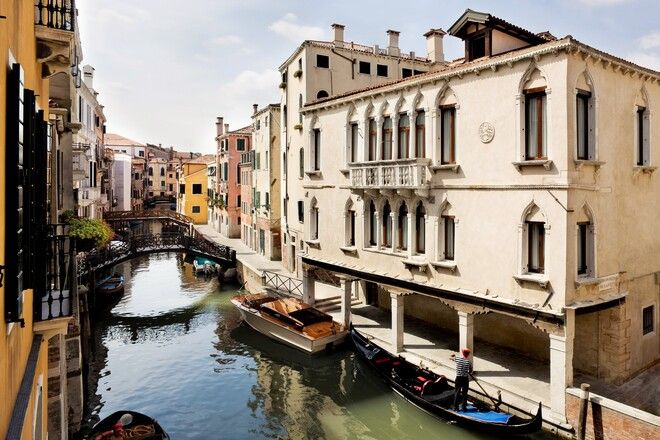
The first is located in the Cannaregio district, inside an ancient building restored to its original splendour. This 4-star hotel boasts an enviable location, far from the tourist areas but still within walking distance of the main attractions. Maison Venezia | UNA Esperienze blends local tradition with modernity in its 28 rooms and suites, designed to ensure maximum comfort and enriched with details that reflect the city's original spirit, such as Murano glass chandeliers and walls with traditional decorative motifs. Staying here means rediscovering Venice in every detail, celebrating its timeless beauty.
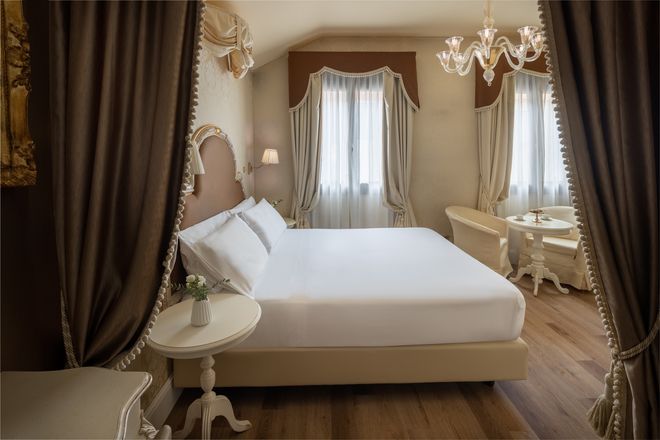
Residenza Venezia, whose management and hospitality are handled by nearby Maison Venezia, offers a further six rooms furnished with the same care and capable of delivering the same immersion in the authentic Venetian atmosphere.
These four fun facts about Venice show how La Serenissima is far more than just a tourist destination, but a world to be discovered even in the smallest details. From asymmetrical gondolas to the hidden forest beneath the water, every element tells a unique story. Book your hotel room in Venice now and discover the lagoon city in all its remarkable facets.
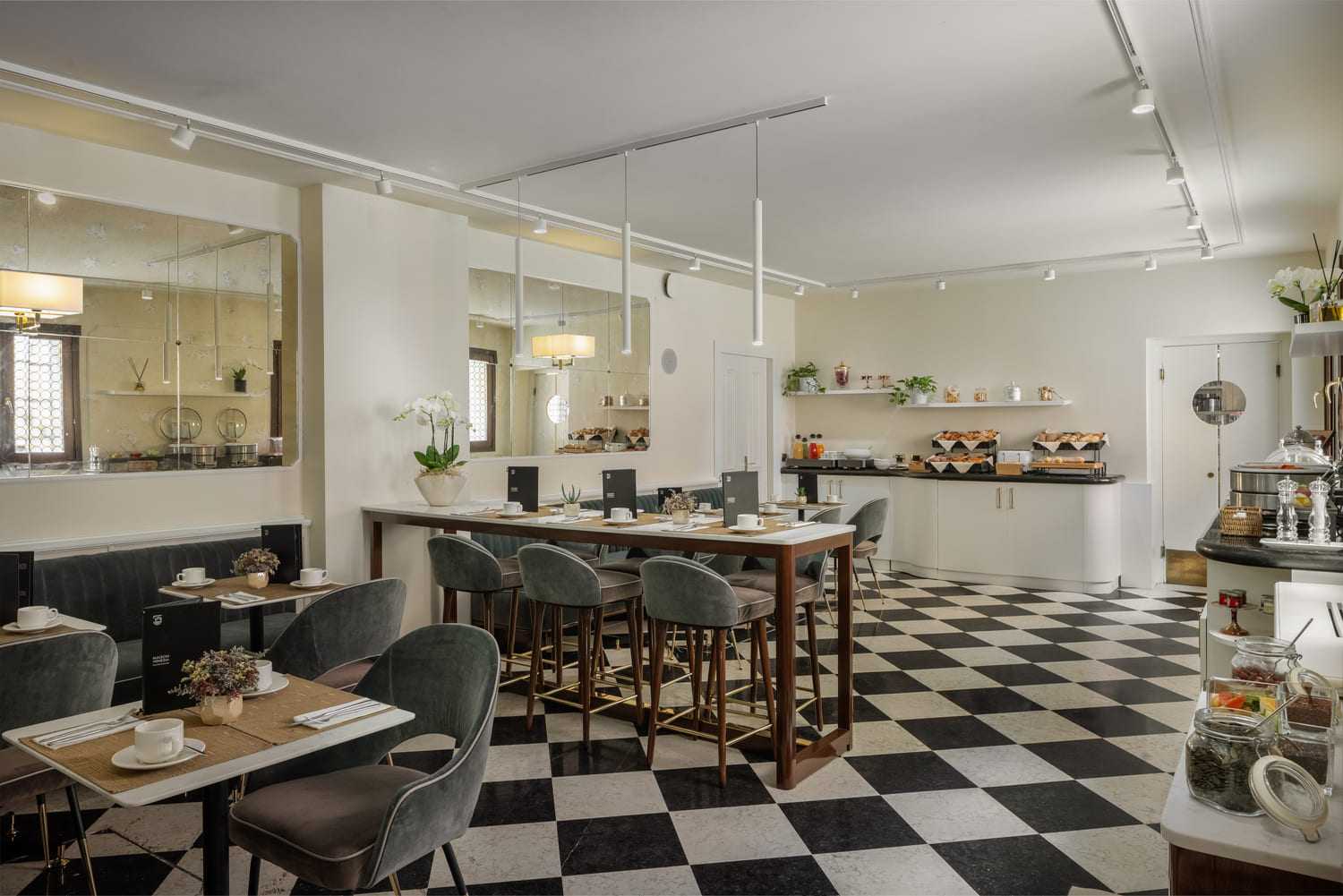
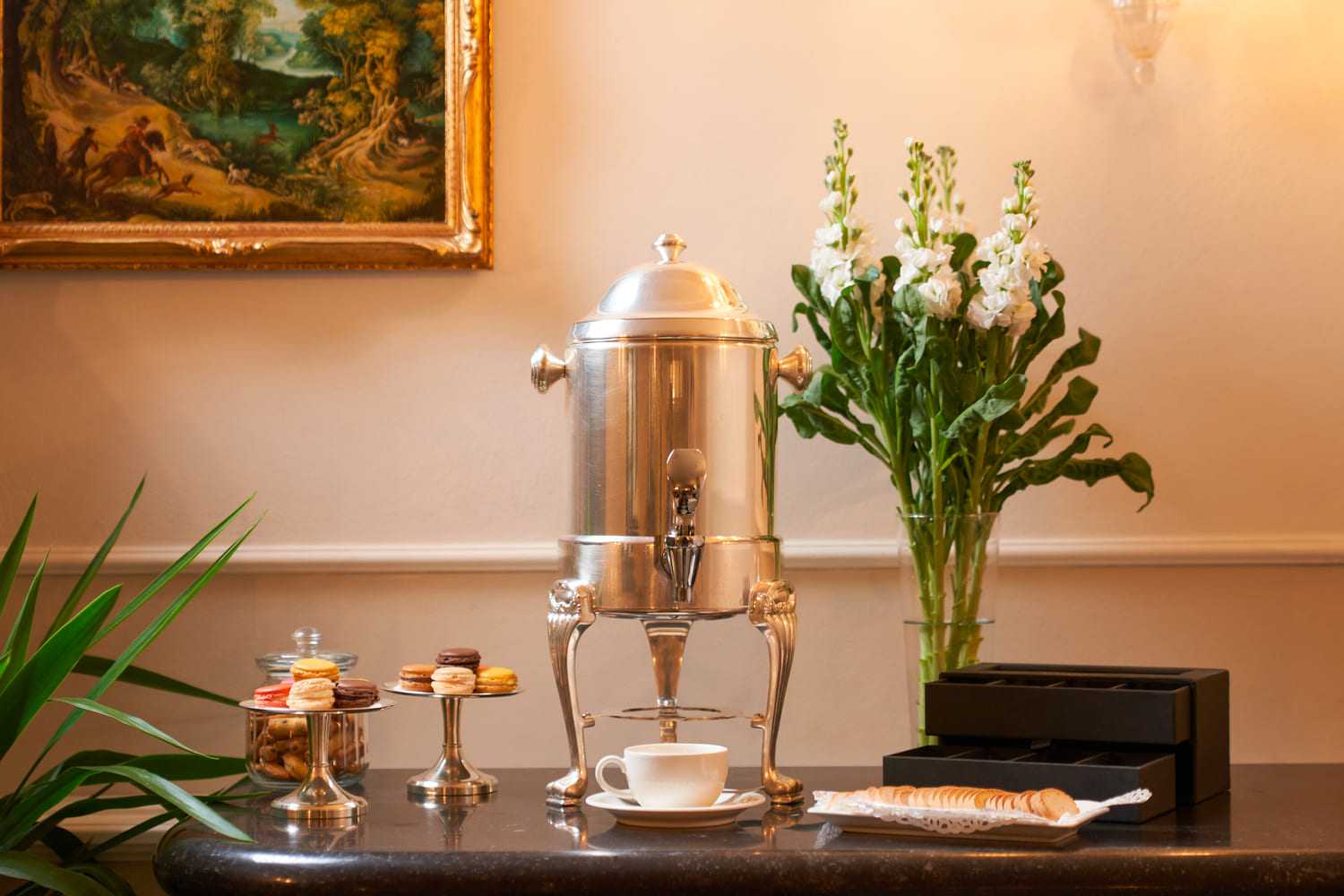
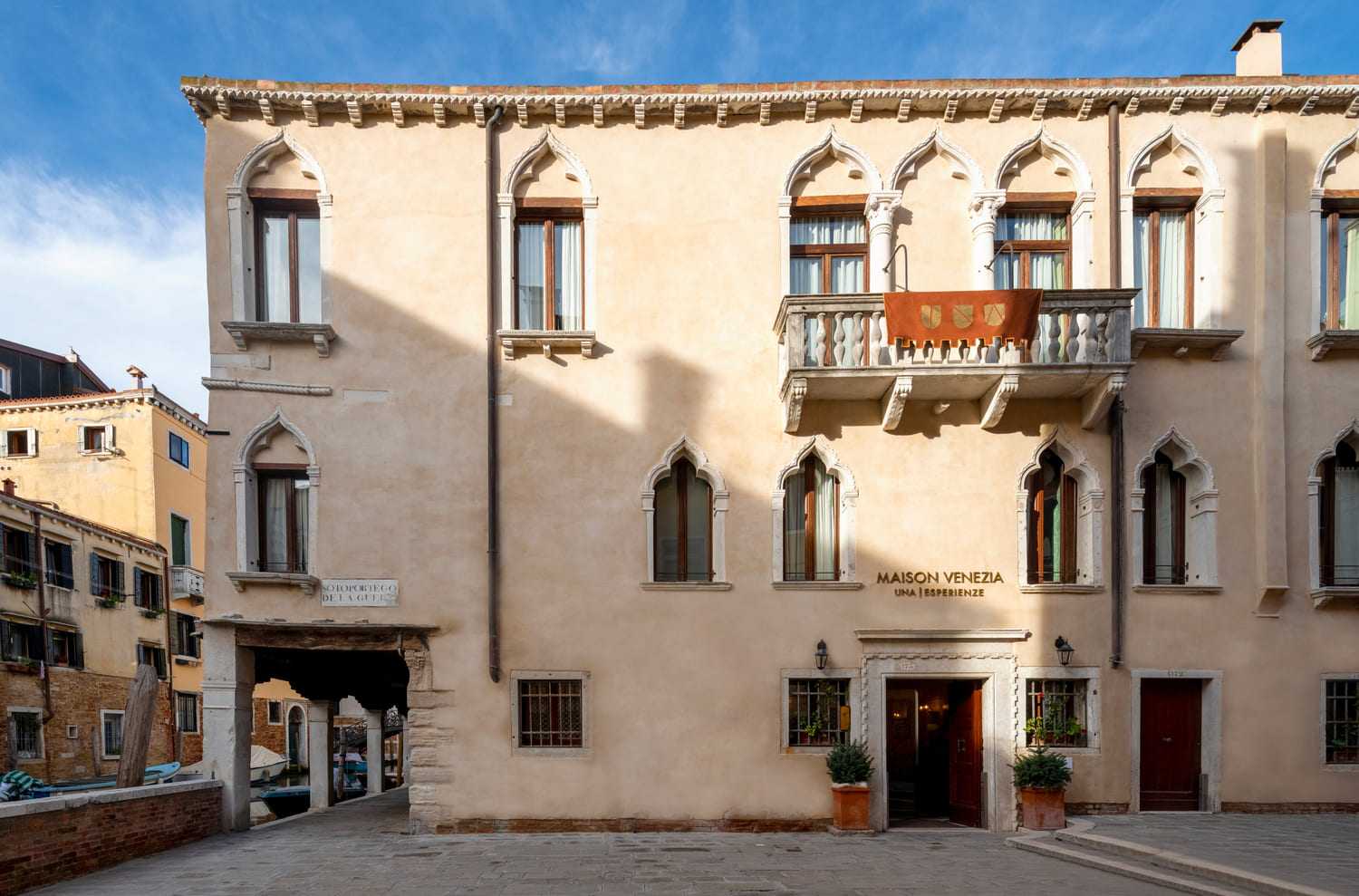
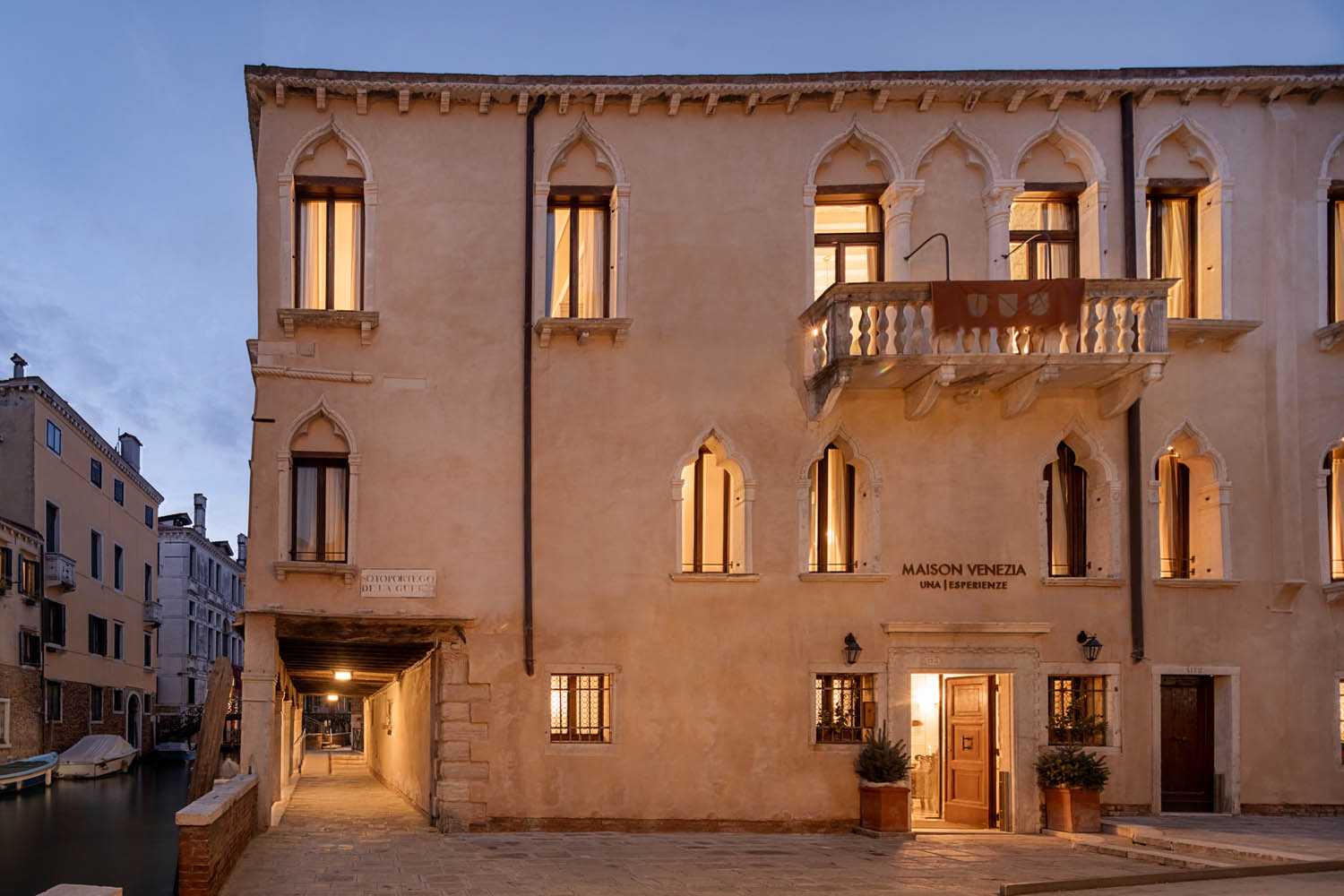
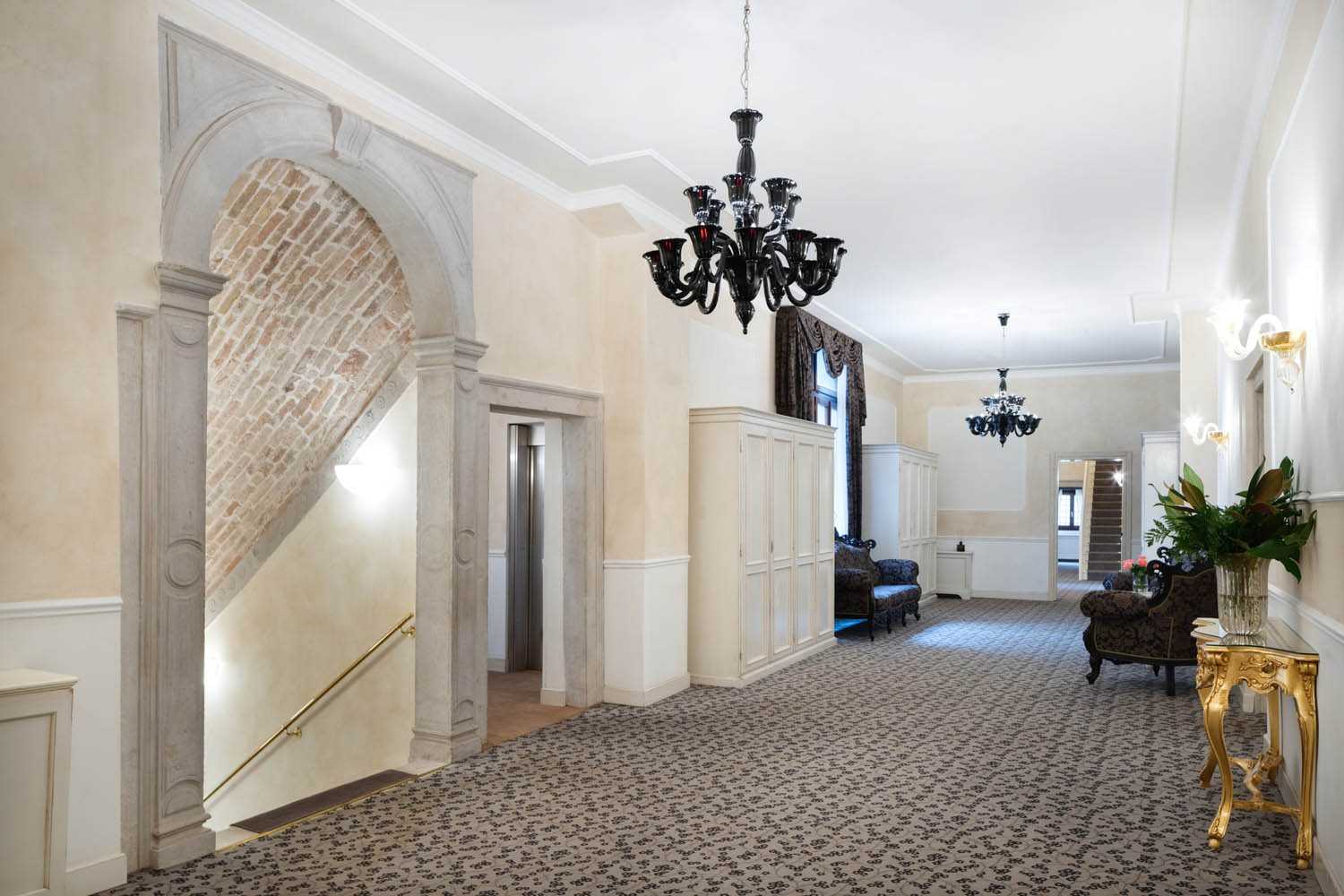
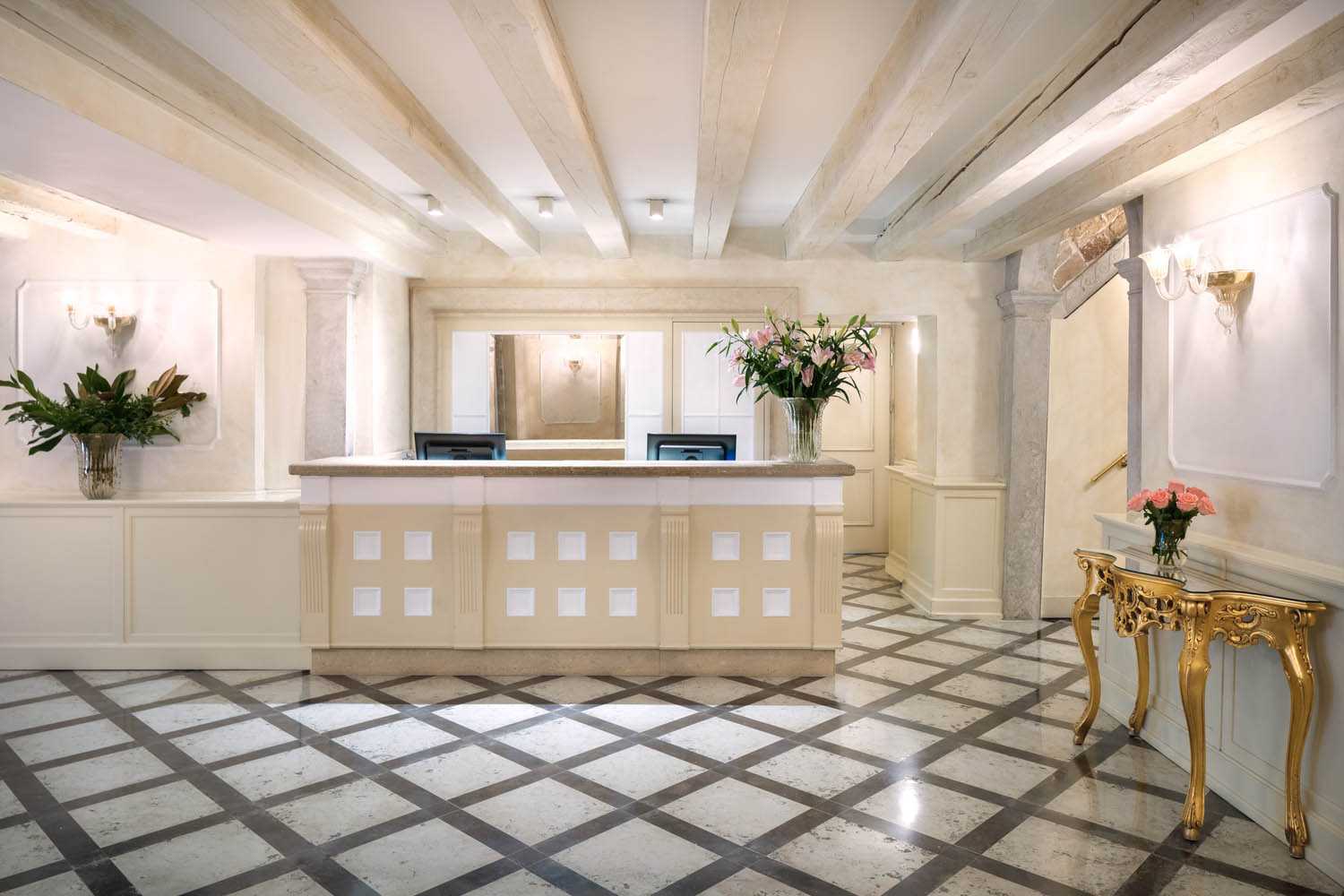
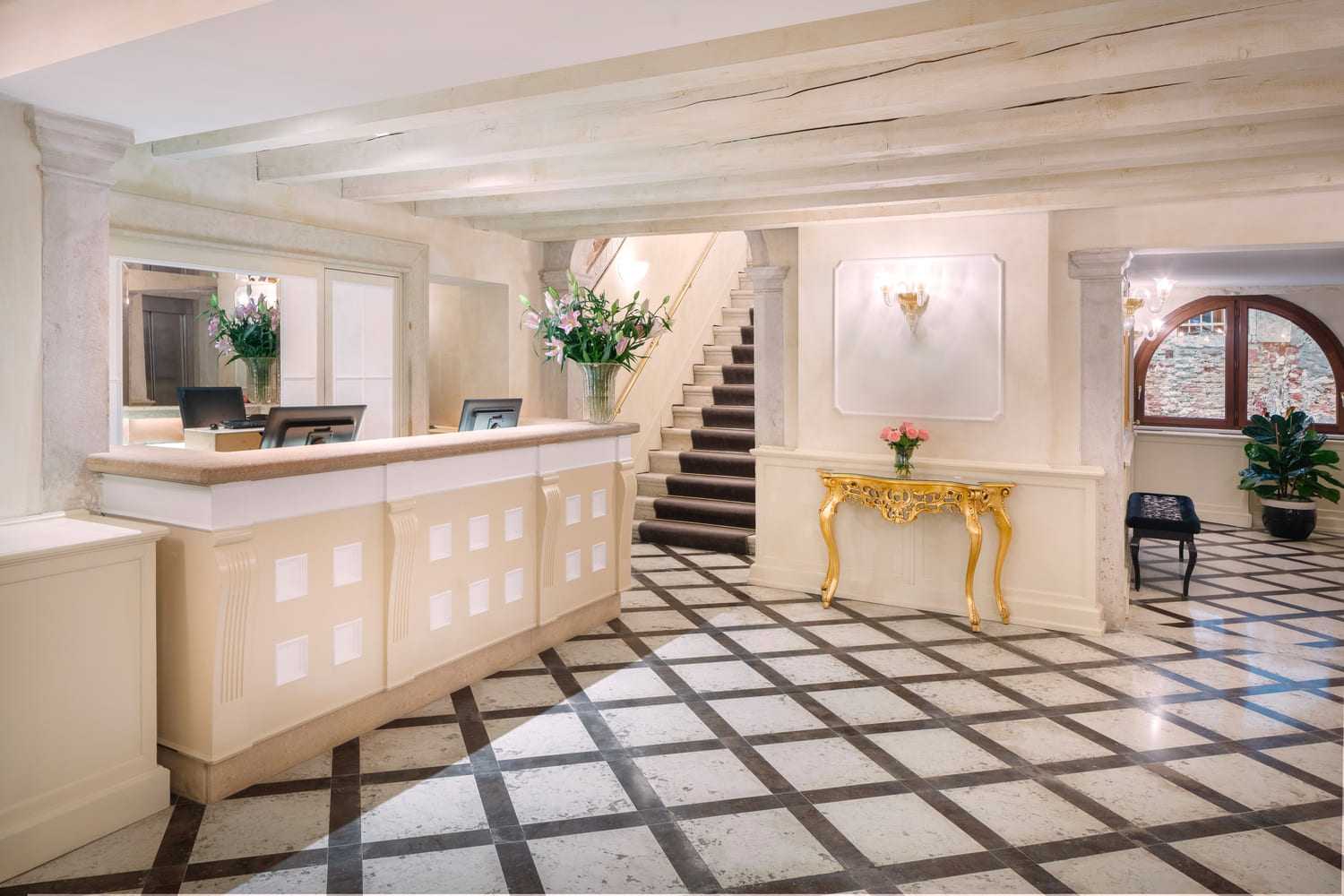
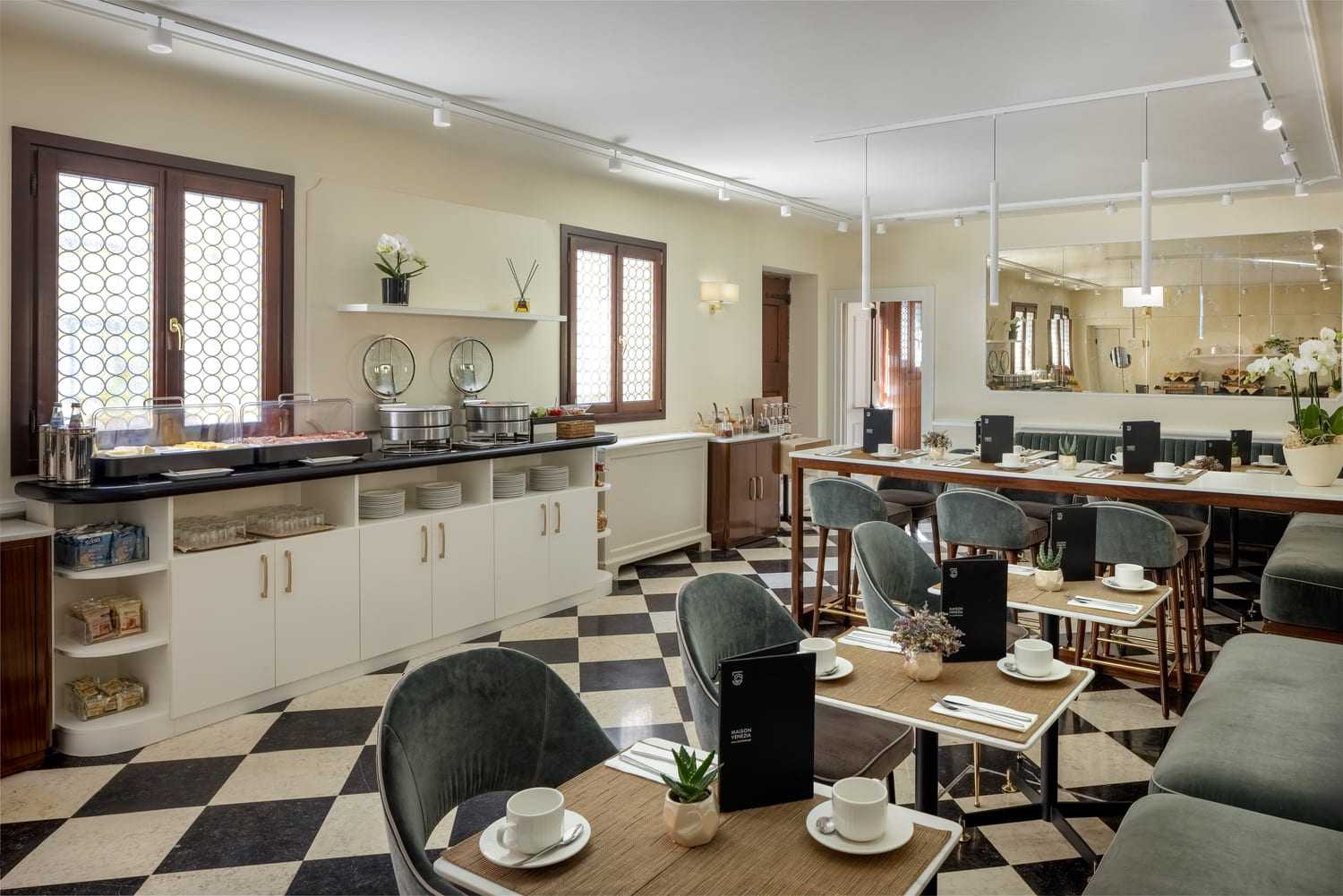


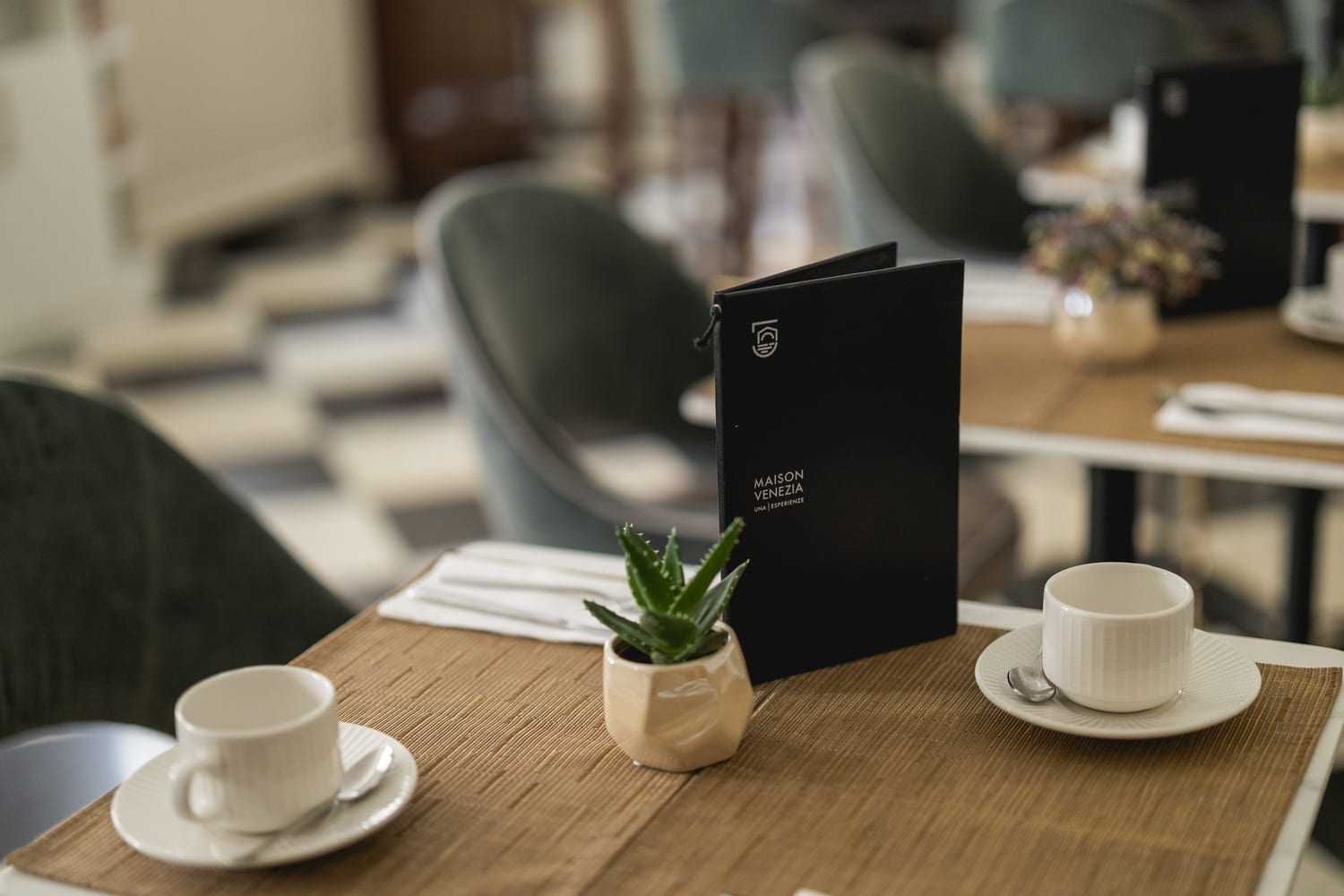
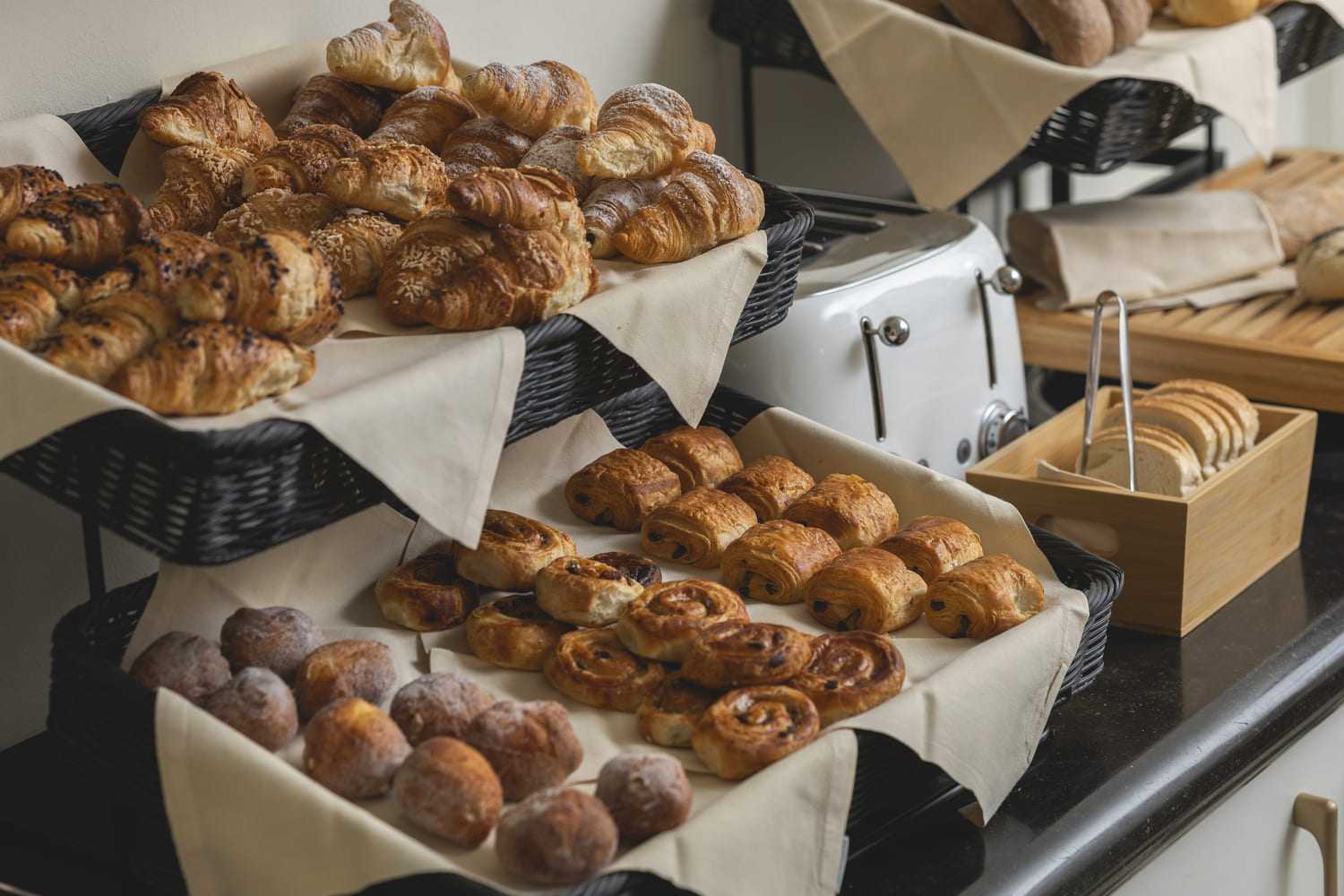
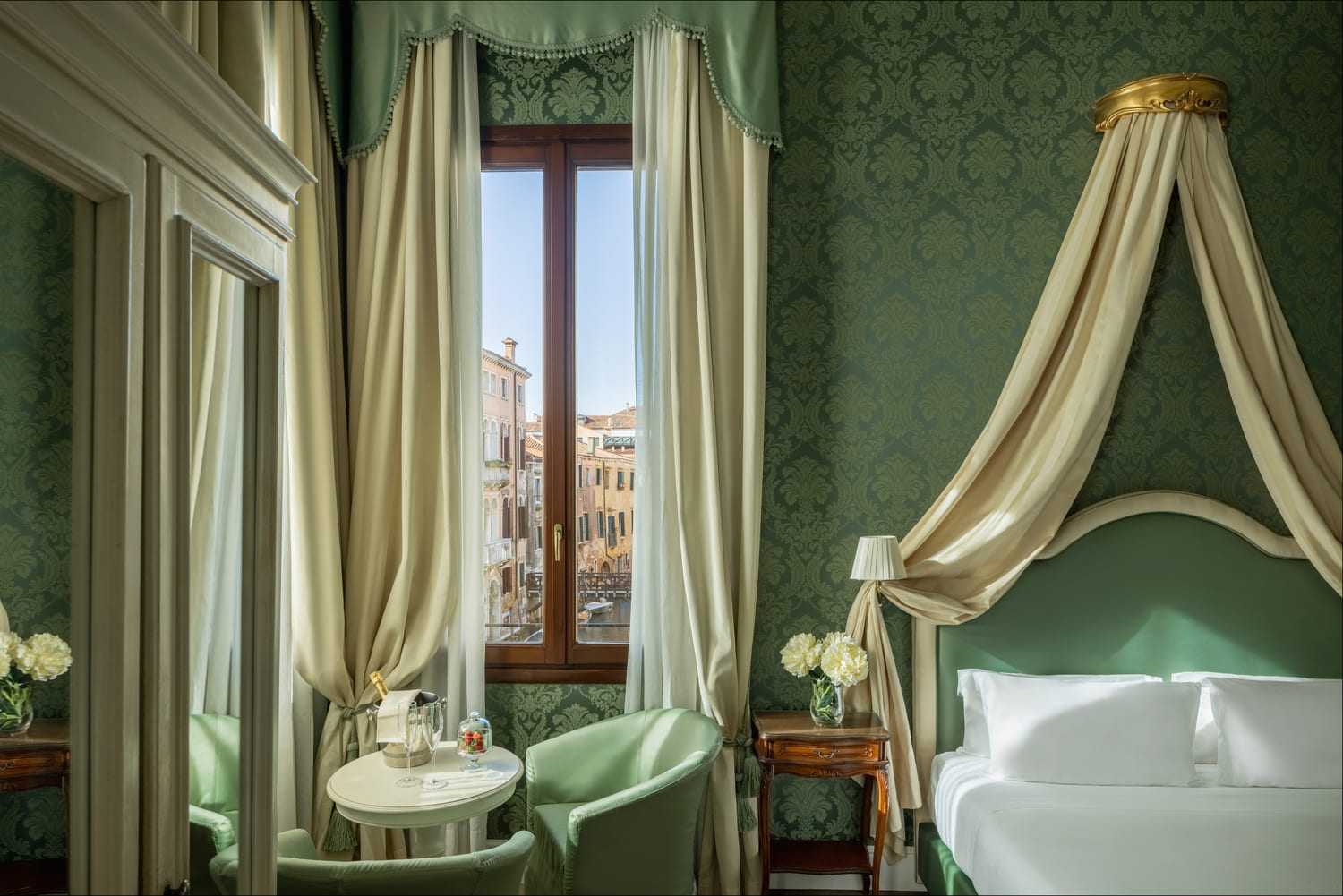
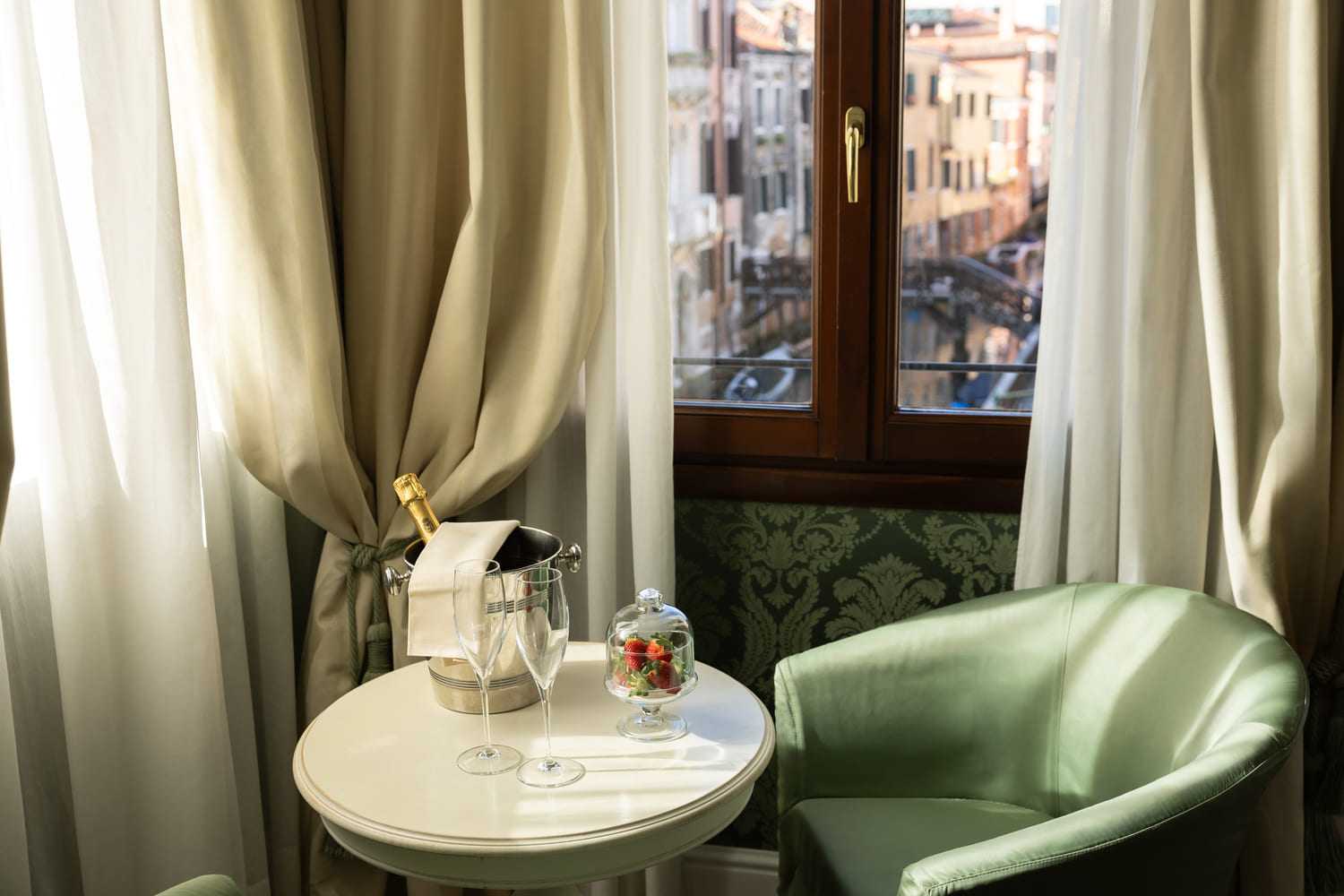
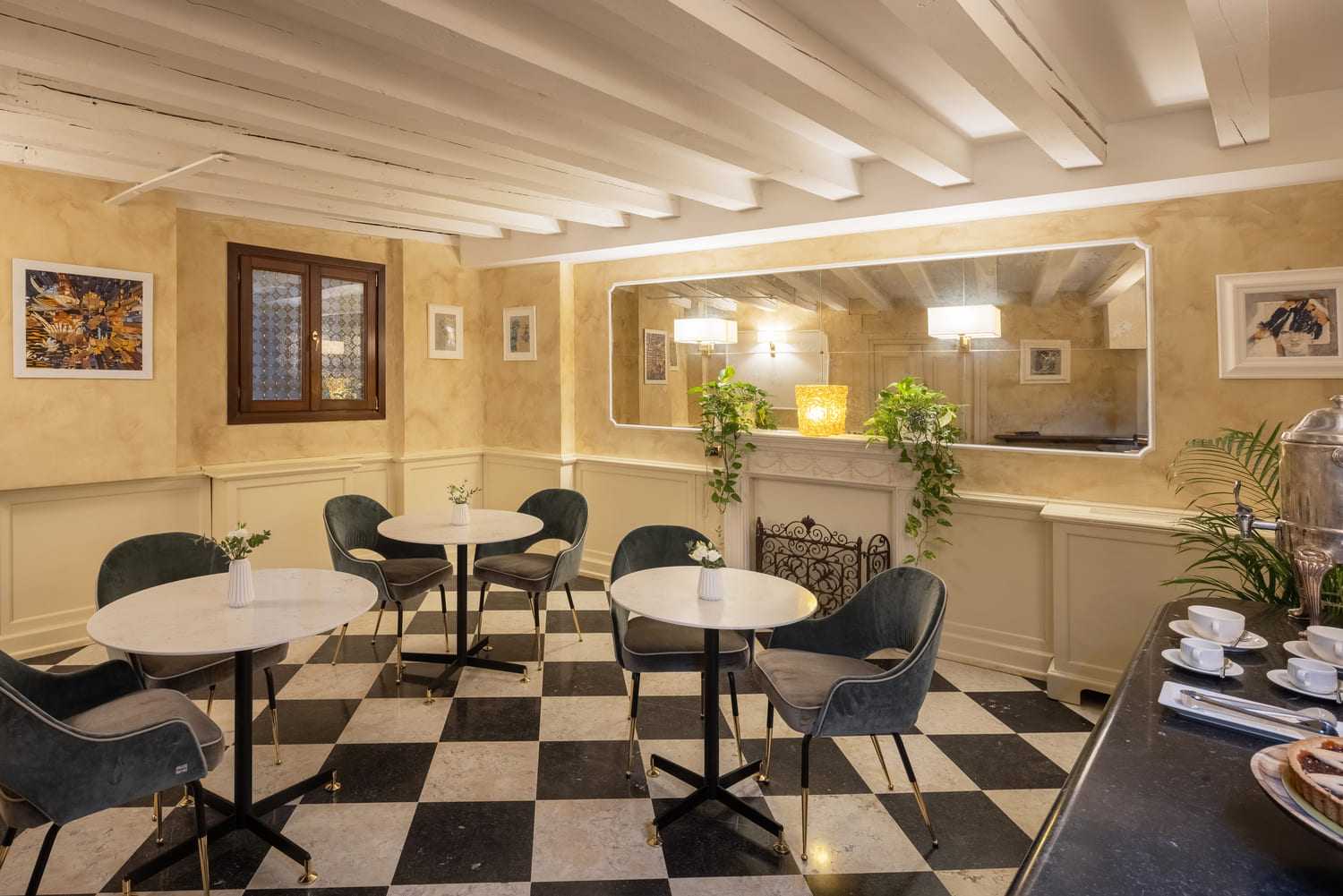
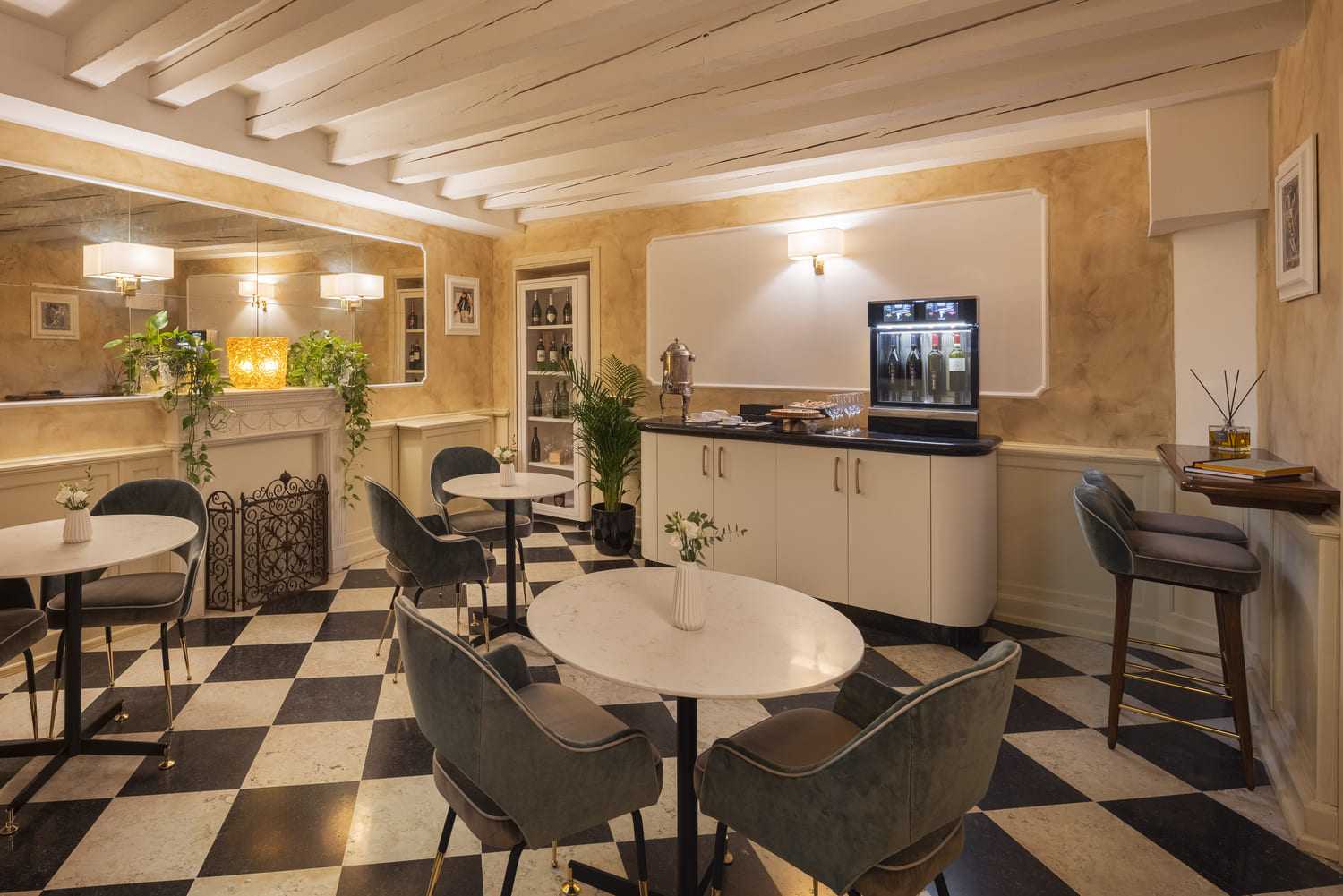
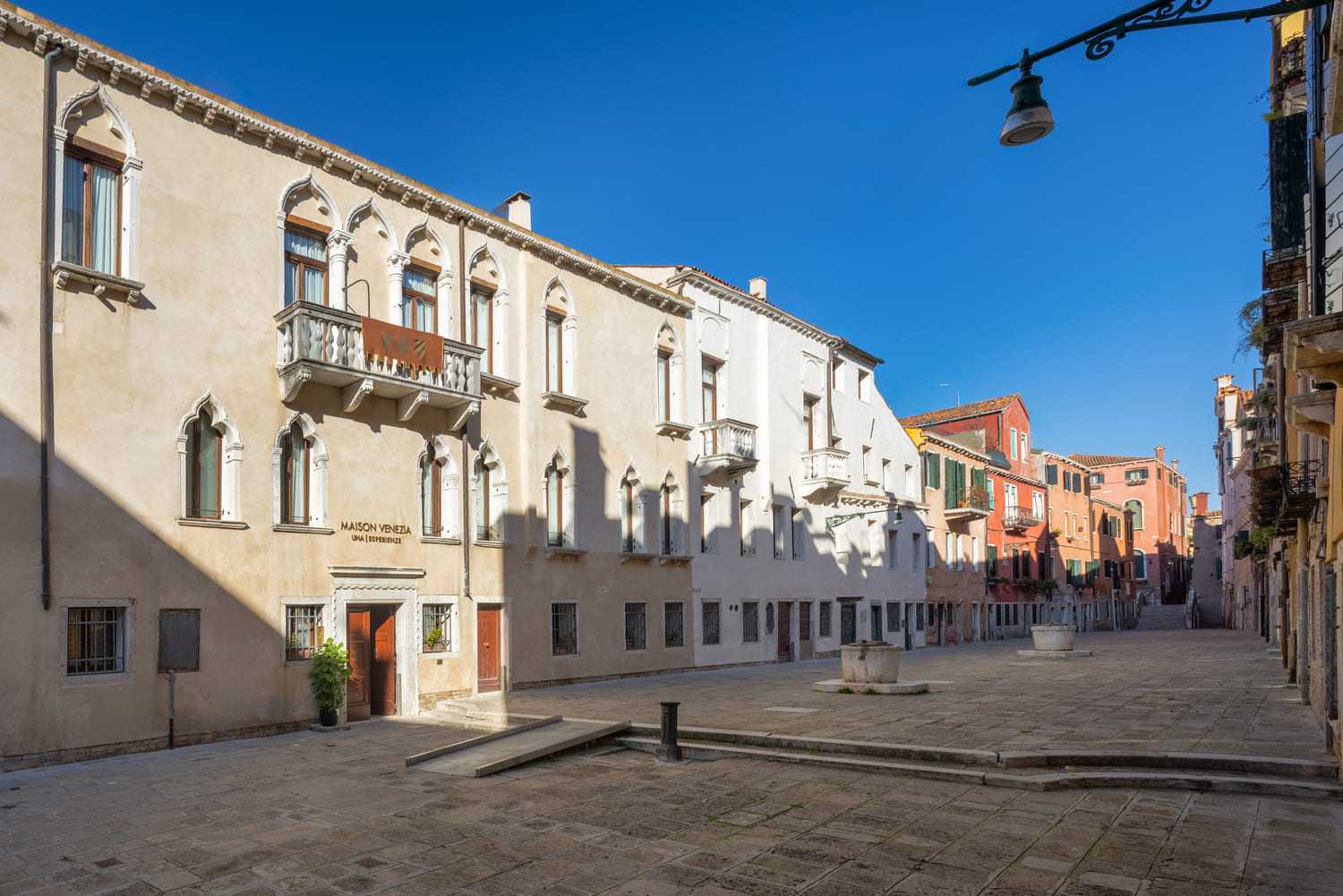
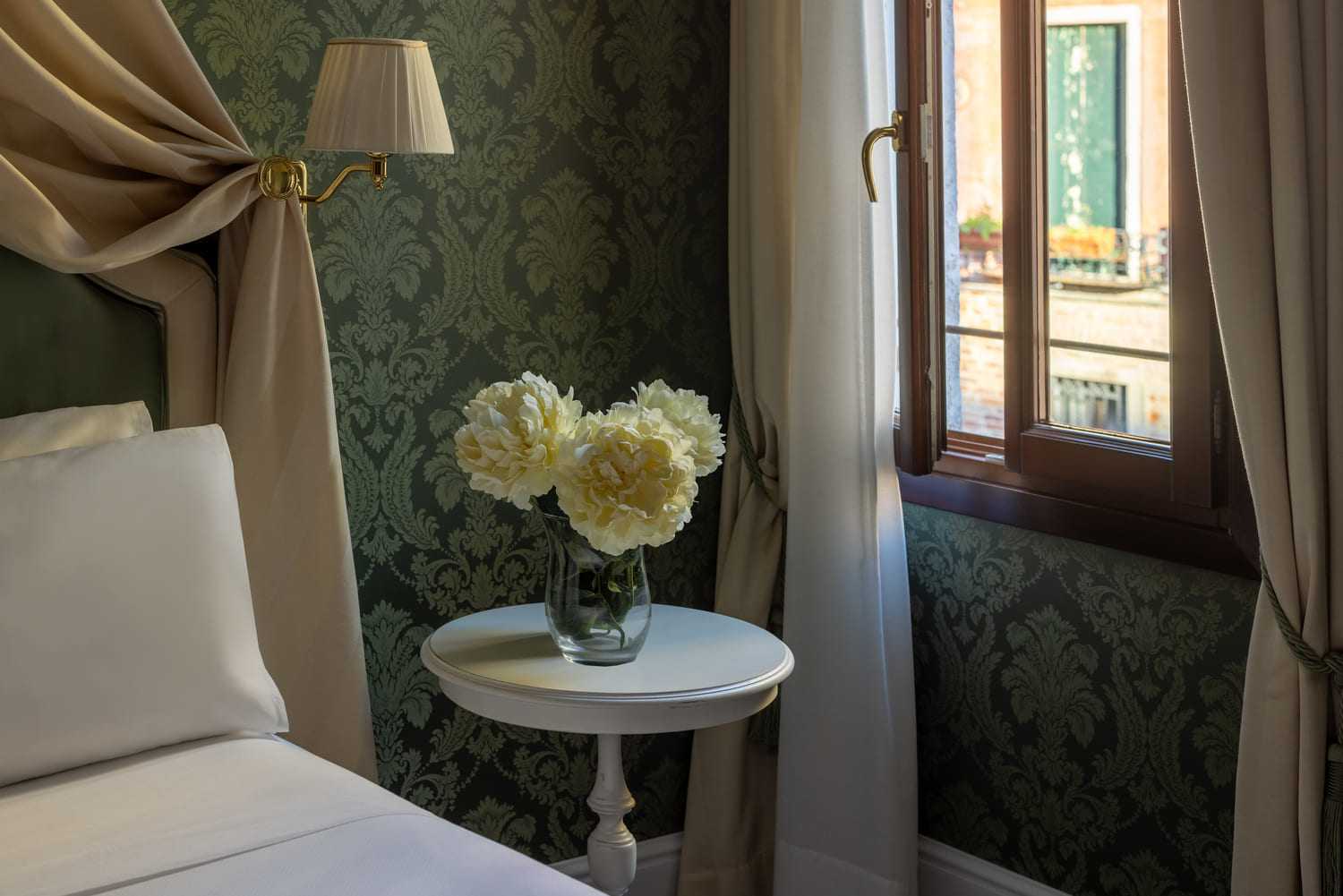
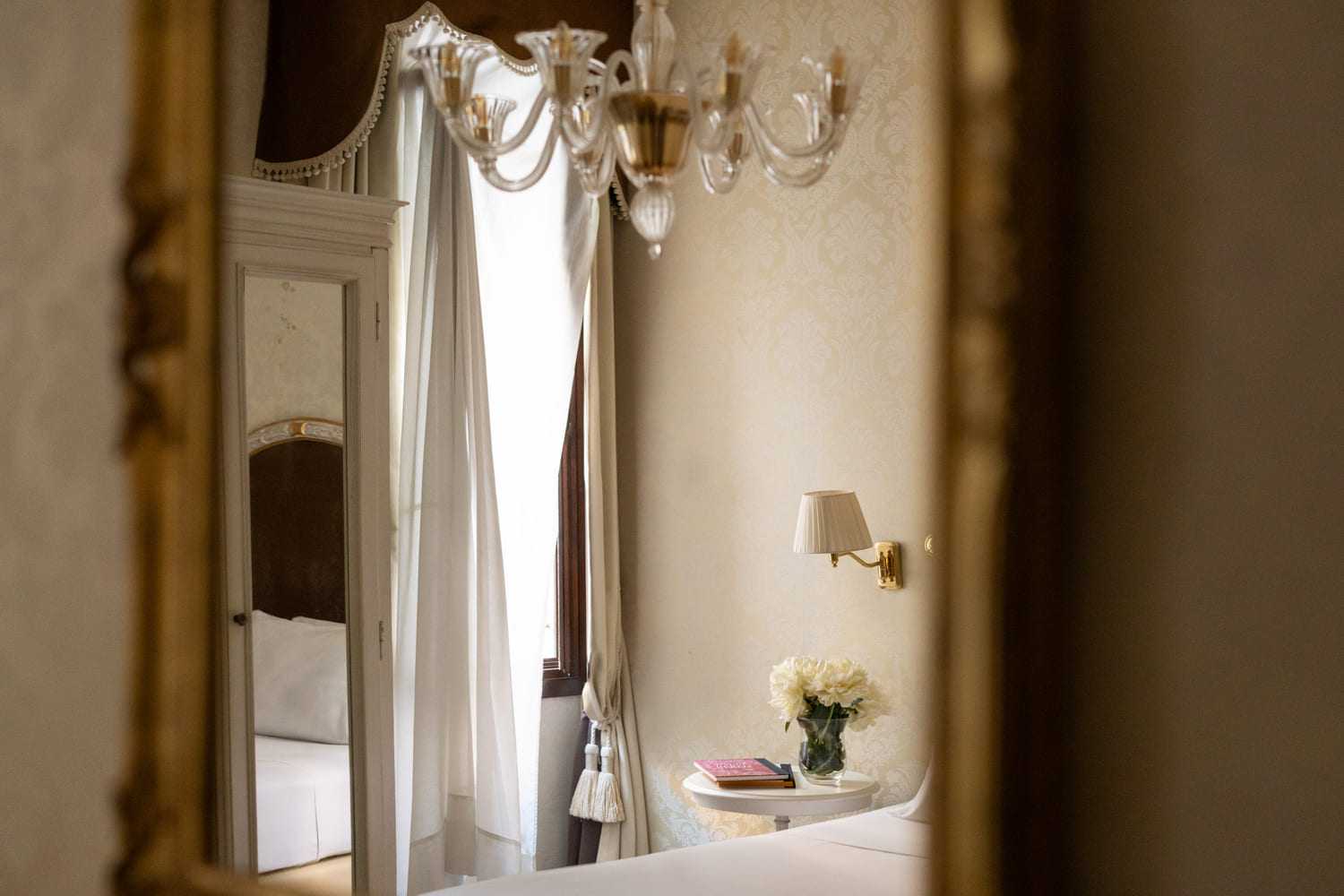
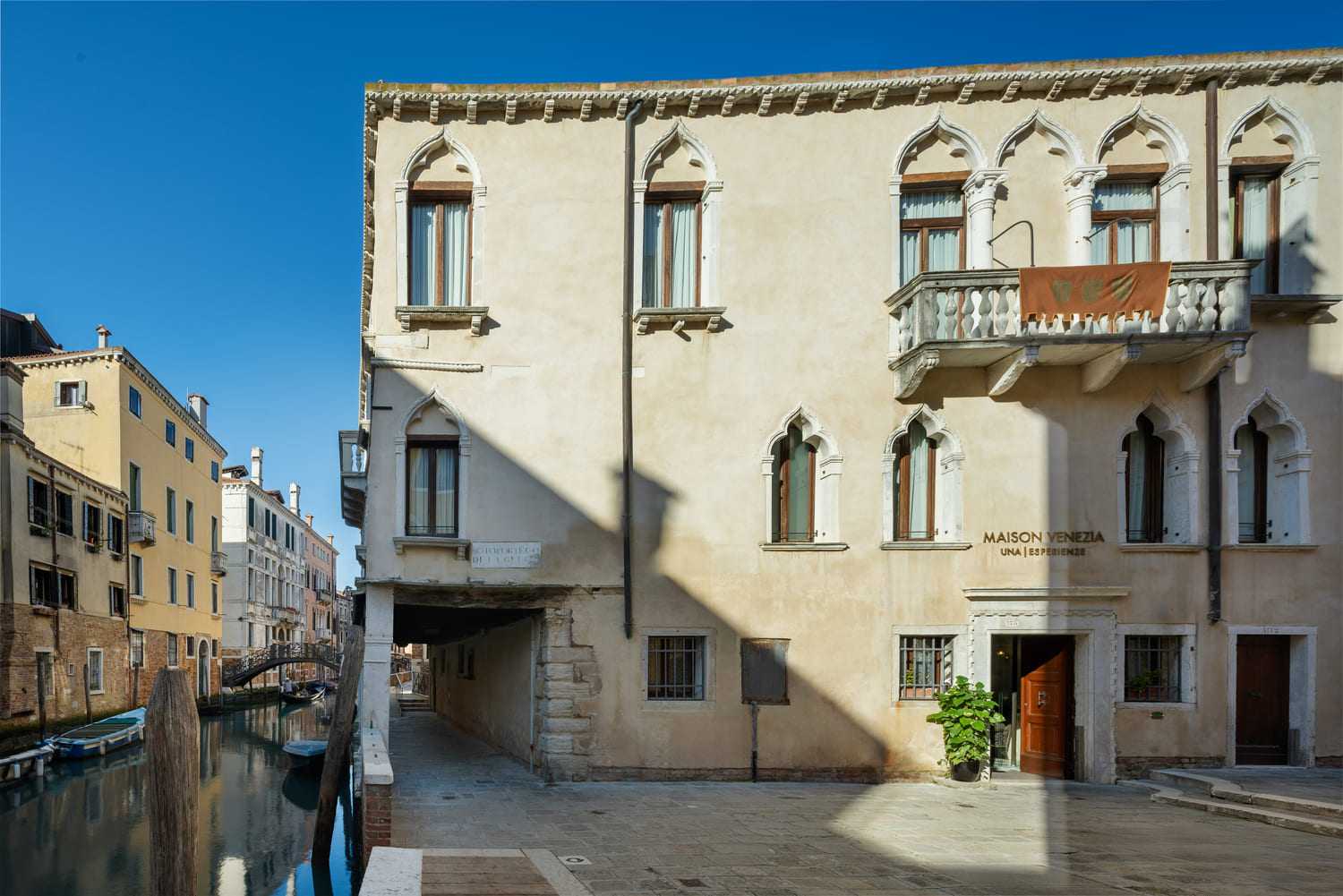

A refined jewel of elegance housed within a prestigious building in the Cannaregio district.
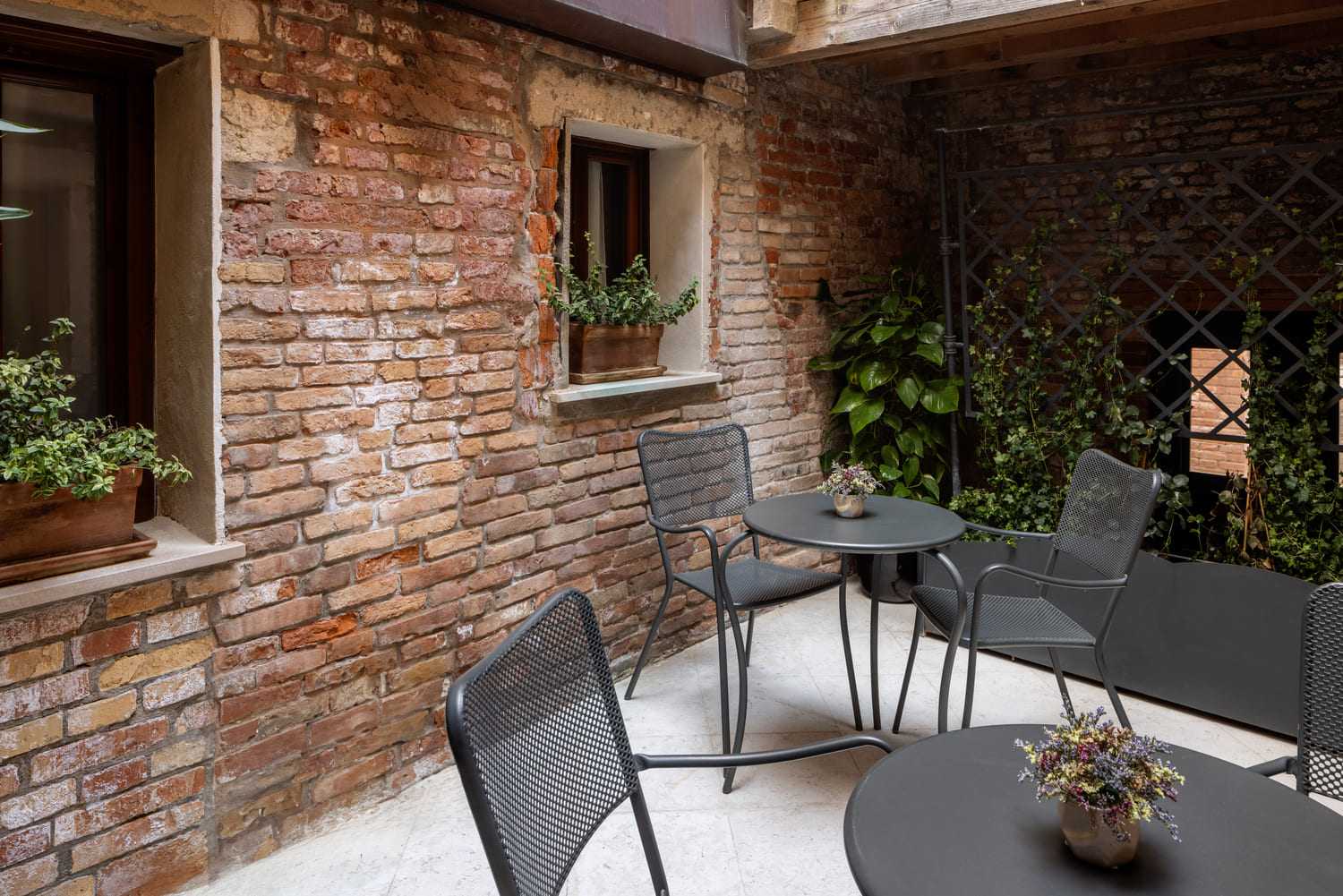
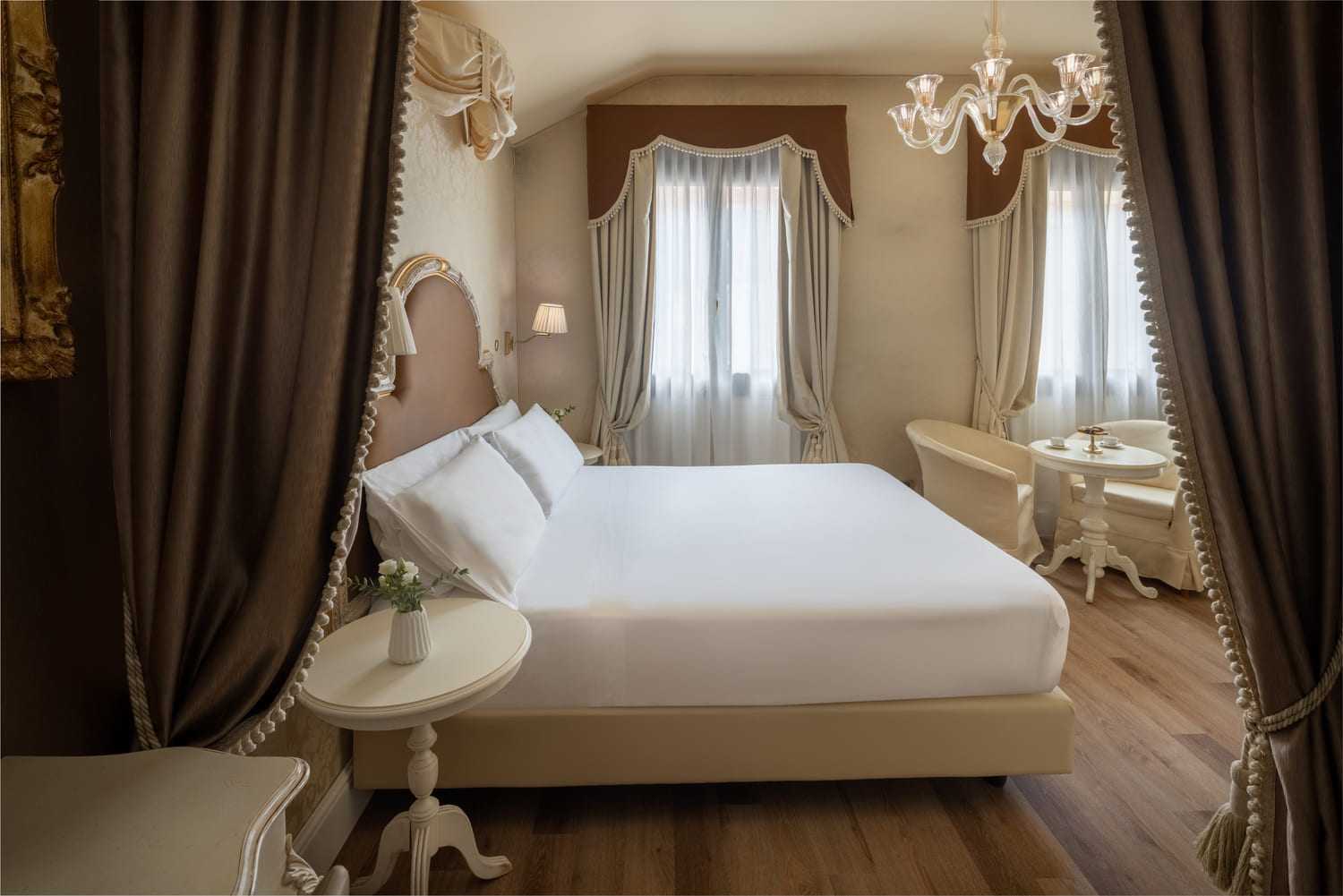
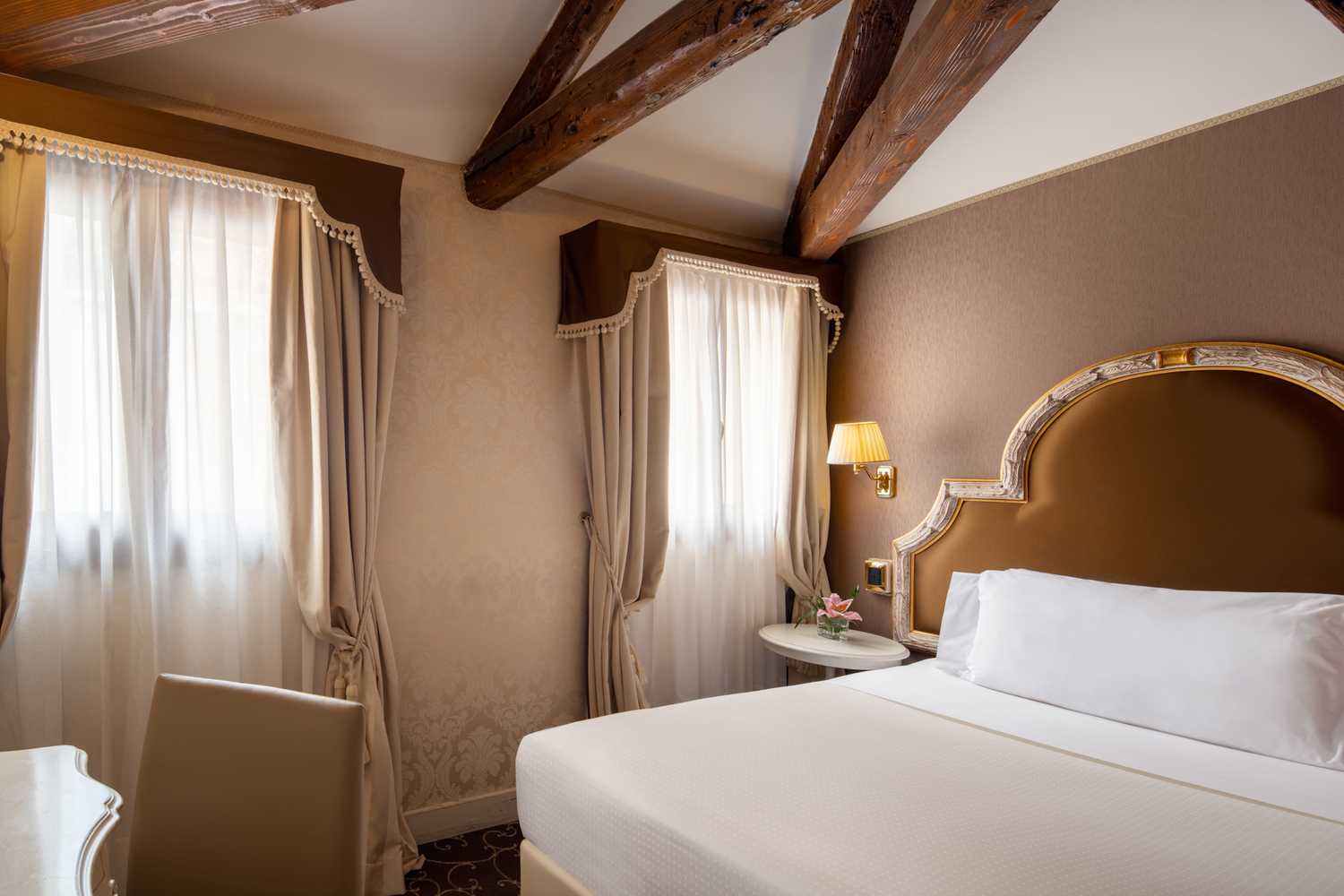
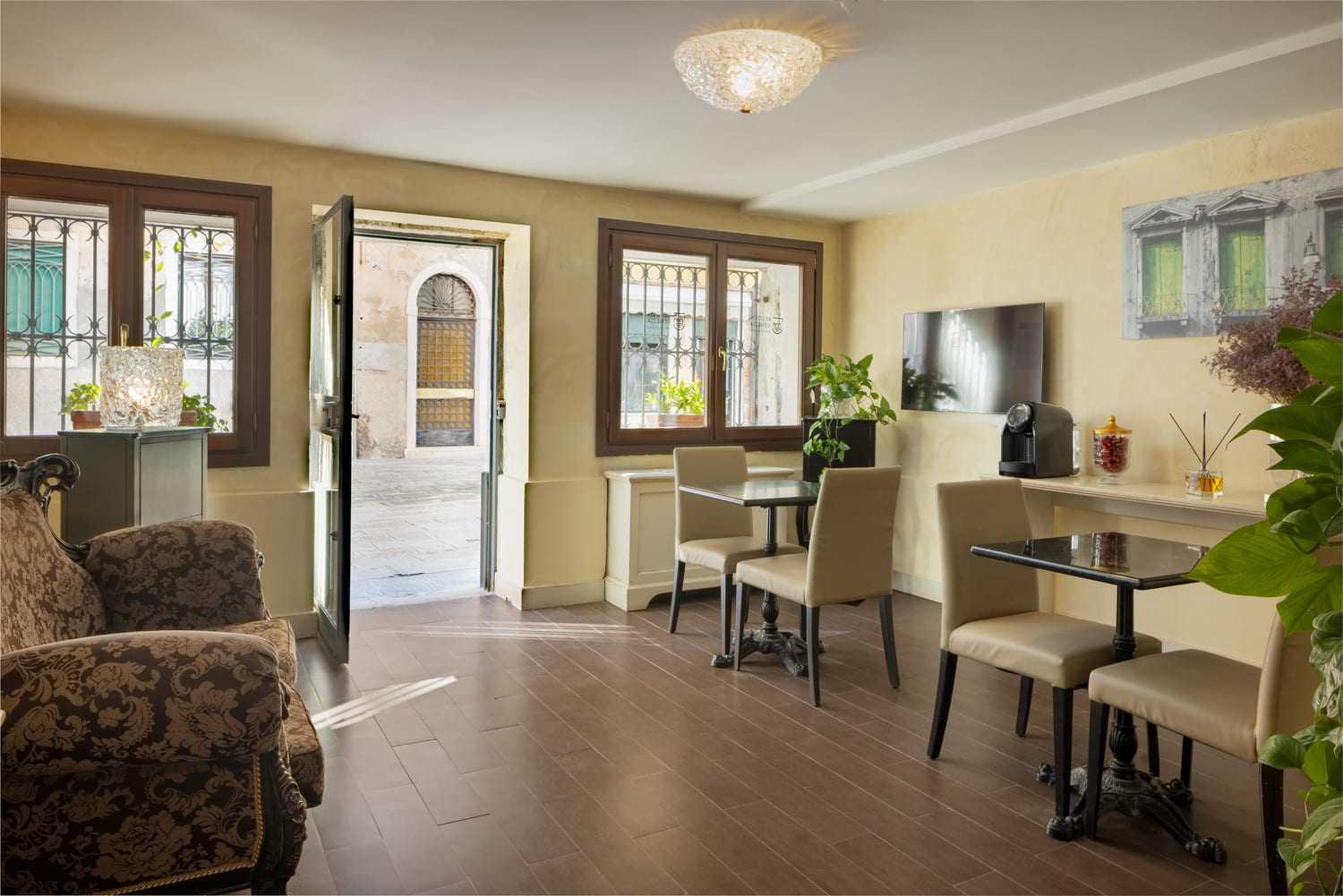
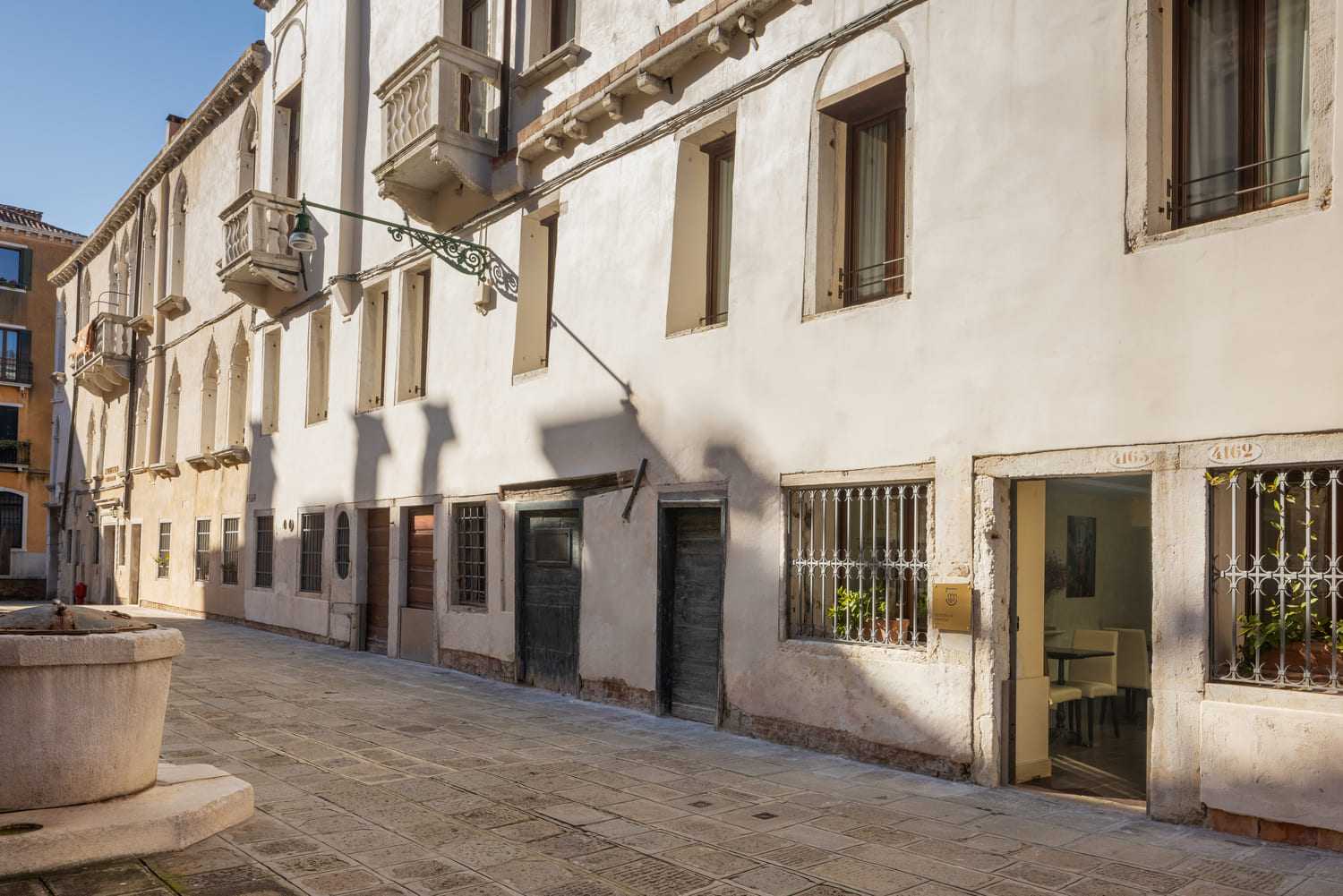
Hotel located in an elegant historic building in the heart of the Cannaregio district.