The 2026 International Art Exhibition: all you need to know about the 61st edition
The International Art Exhibition in Venice is one of the flagship events on the international cultural scene and the 61st edition, entitled In Minor Keys, will soon draw to a close. The event, held in the Biennale Gardens and at the Arsenale, will remain open until 22 November 2026, offering a range of opportunities to discover works by artists from all over the world and take part in the events accompanying the exhibition.
The final days of the Venice Biennale (13–22 November 2026) promise to be particularly interesting, with performances, lectures, debates and round-table discussions taking place at the Arsenale. An opportunity to experience the Biennale not only as a major international exhibition, but also as a place for encounter, while exploring the artistic and architectural treasures of Venice.
In Minor Keys: the theme of the 2026 Biennale
The title In Minor Keys expresses the curatorial vision of Koyo Kouoh, the curator who passed away in May 2025 and whose project has been carried forward by the Biennale in accordance with her instructions. The musical reference in the title itself serves as a metaphor and an invitation to slow down and pay attention to lesser-heard voices and everyday gestures, to relationships and to the forms of resistance that permeate contemporary society. In a world marked by conflict, art is therefore called upon to offer new perspectives, fostering bonds between people and communities.
The Biennale programme: events not to be missed in November
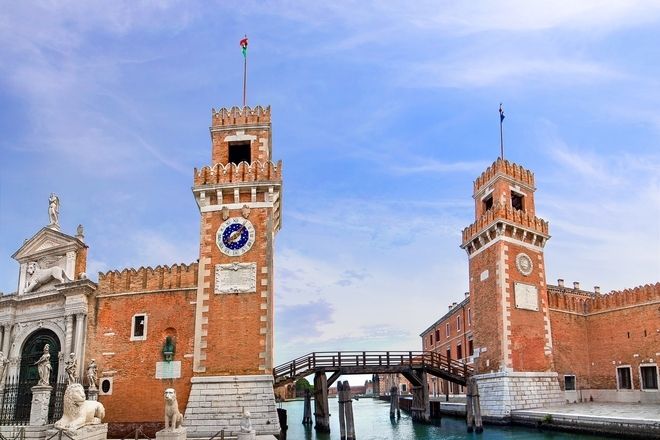
The conclusive phase of the programme is packed with a series of public events taking place at the Arsenale from 13 to 22 November, featuring discussions that explore some of the central themes of In Minor Keys, ranging from the interplay between memory and identity to the resilience of communities, and to the relationship between humans and the environment. Some of the most interesting events:
-
13 November – Seeding Resilience and a performance by Tammy Nguyen. The first day of the Assembly focuses on creating spaces for collaboration and support for artists and cultural practitioners. The afternoon features a performance by Tammy Nguyen, weaving together music, dance and considerations on belonging and migration.
-
14 November – Felwine Sarr, To Inhabit the World. A lecture exploring new ways of engaging with the world, rethinking the concepts of mobility, hospitality and intercultural relations. The day continues with Assembly meetings and a further performance by Tammy Nguyen.
-
15 November – Saudade: A Roundtable. The round-table discussion explores how the work of artists who are no longer with us continues to influence the present, addressing the themes of memory and the dissemination of knowledge.
-
16 and 17 November – Tactics of Transmission and Bladder Diplomacy. Natalia Lassalle-Morillo and Sofía Gallisá Muriente explore the relationship between archives, memory and cultural restitution, while Ziad Antar presents a performance-lecture that interweaves diplomacy, agriculture, family history and environmental changes in the eastern Mediterranean.
-
18 November – The Newborn Birthchart by rana elnemr. A collective performance that unfolds through readings, songs and stories linked to natural landscapes, resistance and the desire for change.
-
19 November – Uppu by Nathalie Vairac. Salt is the starting point for an artistic exploration of life, matter and what unites human beings.
-
20 and 21 November – Breath Orchestra: Score for Silence by Yo-E Ryou. A performative experience based on listening and mindful breathing, which also draws inspiration from the traditional wisdom of the Haenyeo: women who practise breath-hold diving to gather food from the sea.
-
22 November – In This World by Laurie Anderson. For the closing day of the Exhibition, the US artist will present a solo performance combining music, storytelling and video projections, in dialogue with her installations on display at the Arsenale.
Please note that you must purchase a ticket to attend the performances: you can find prices and further information on the official website.
What to see in Venice: the must-see sights during the Biennale
A visit to the Biennale can be an opportunity to retrace the historical and artistic heritage of Venice, a city where every visit is an encounter with monumental architecture, views of the canals and traces of over a thousand years of history:
-
St Mark’s Square and St Mark’s Basilica. Representing the city’s monumental heart, St Mark’s Square embraces some of Venice’s most famous landmarks. The Basilica, in particular, is truly breathtaking, with its golden mosaics and lavish decorations.
-
The Doge’s Palace. Formerly the seat of government of the Republic of Venice, it is one of the finest examples of Venetian Gothic architecture. The grand halls, the works of art and the famous Bridge of Sighs offer visitors first-hand experience of the city’s political and cultural history.
-
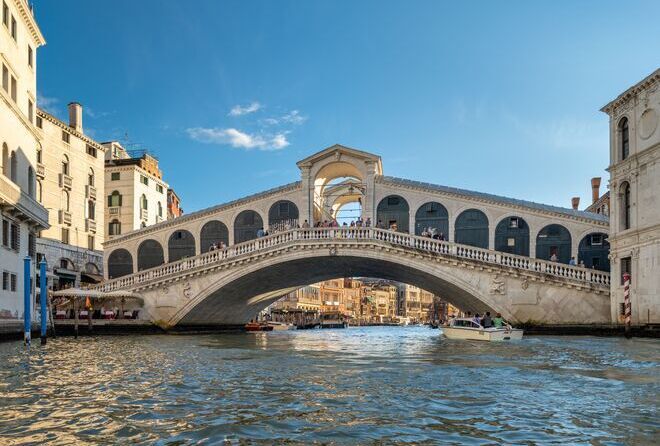
The Grand Canal and the Rialto Bridge. A boat trip along the Grand Canal offers a unique view of the historic palaces lining the water; the Rialto Bridge, one of the city’s most recognisable landmarks, is also the ideal starting point for exploring the narrow streets of the San Polo district.
-
The Accademia Bridge and the Accademia Galleries. Crossing the bridge takes you to one of the most picturesque viewpoints over the Grand Canal. A short distance away, the Accademia Galleries are home to an extraordinary collection of Venetian paintings, ranging from Bellini to Titian, and from Tintoretto to Veronese.
-
The Peggy Guggenheim Collection. On the subject of art: overlooking the Grand Canal, Palazzo Venier dei Leoni houses one of Italy’s most important collections of modern European and American art, featuring works by artists such as Picasso, Kandinsky, Magritte and Pollock.
-
The islands of the lagoon: Murano, Burano and Torcello. If you have enough time, a trip to the lagoon is a great way to explore another side of Venice. Murano is famous for its tradition of artistic glassmaking, Burano for its colourful houses and lace, while Torcello preserves evidence of the earliest settlements in the lagoon.
-
Cannaregio and the Jewish Ghetto. Cannaregio is a unique neighbourhood that invites you to explore the quiet alleyways, small squares and bacari (traditional wine bars) of Venice. The Jewish Ghetto, established in 1516, is steeped in history of great cultural significance and is a key sight for anyone wishing to understand the city’s complexity.
Where to stay in Venice
Now that you know all about the city, the must-see attractions and the final days of the Art Exhibition, all that is left is to book your hotel in Venice to enjoy a stay steeped in art and culture. We recommend two hotels, both of which are perfect for meeting all your needs: Maison Venezia | UNA Esperienze and UNA Hotels Ala Venezia.
Maison Venezia | UNA Esperienze: in the heart of Cannaregio
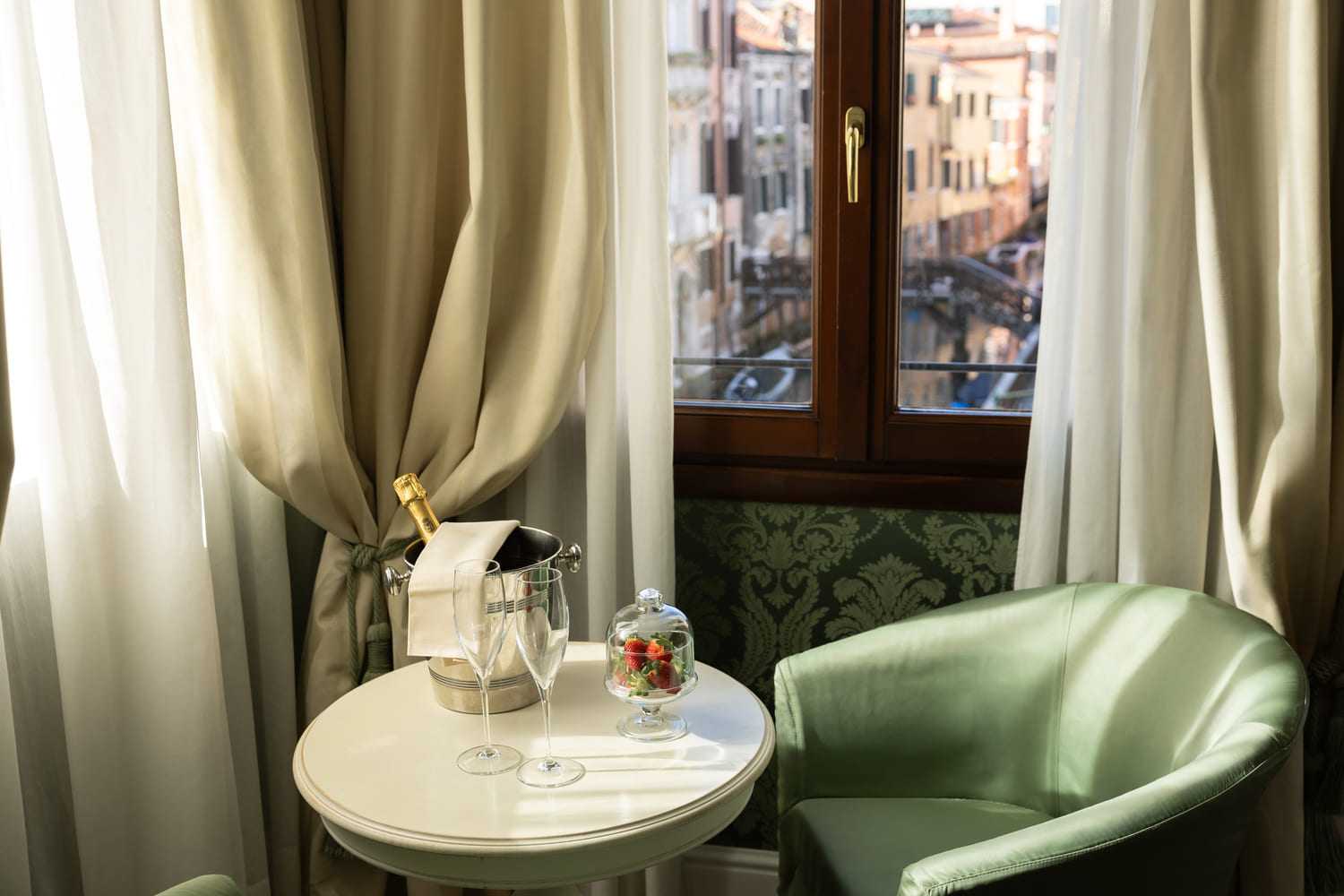
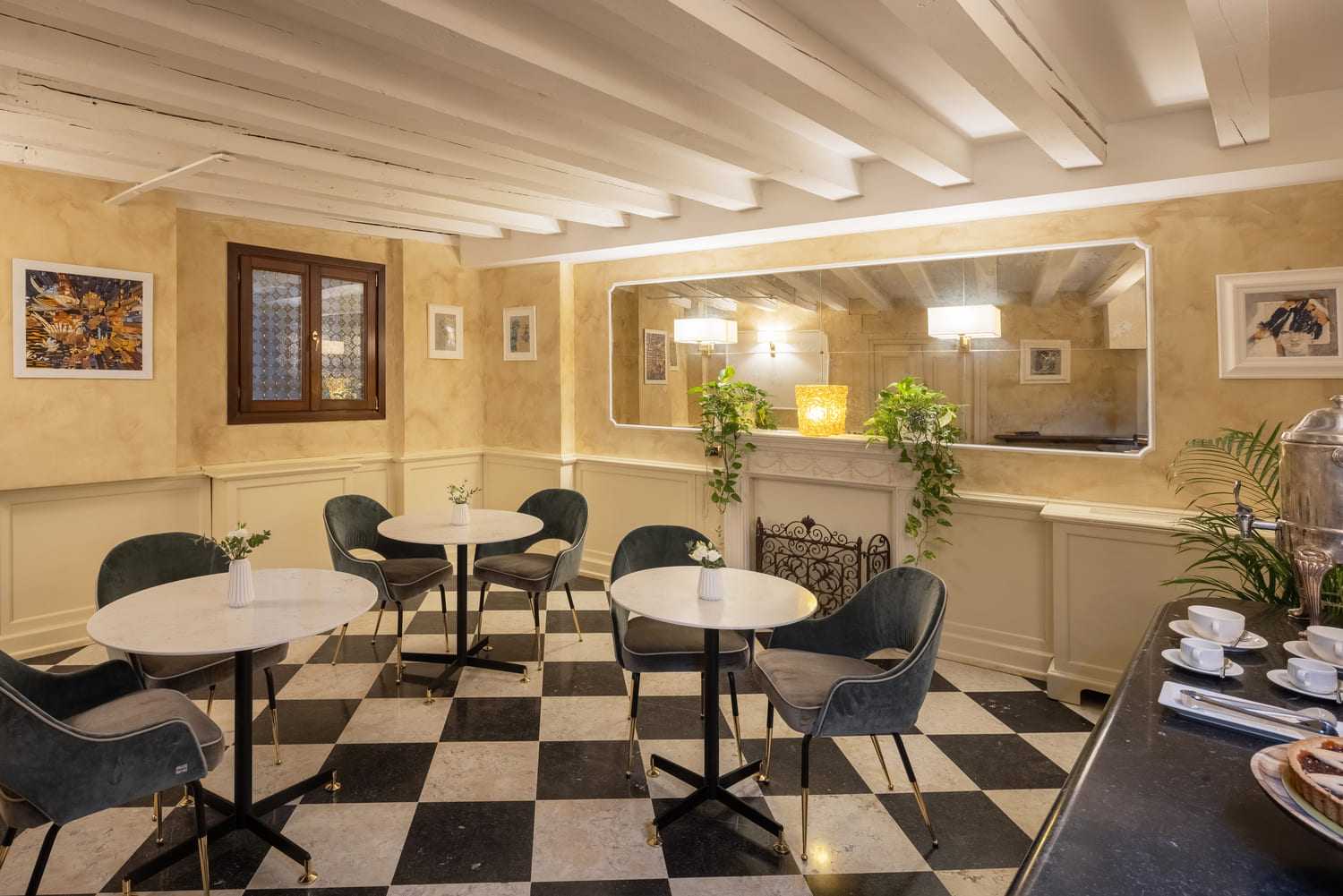
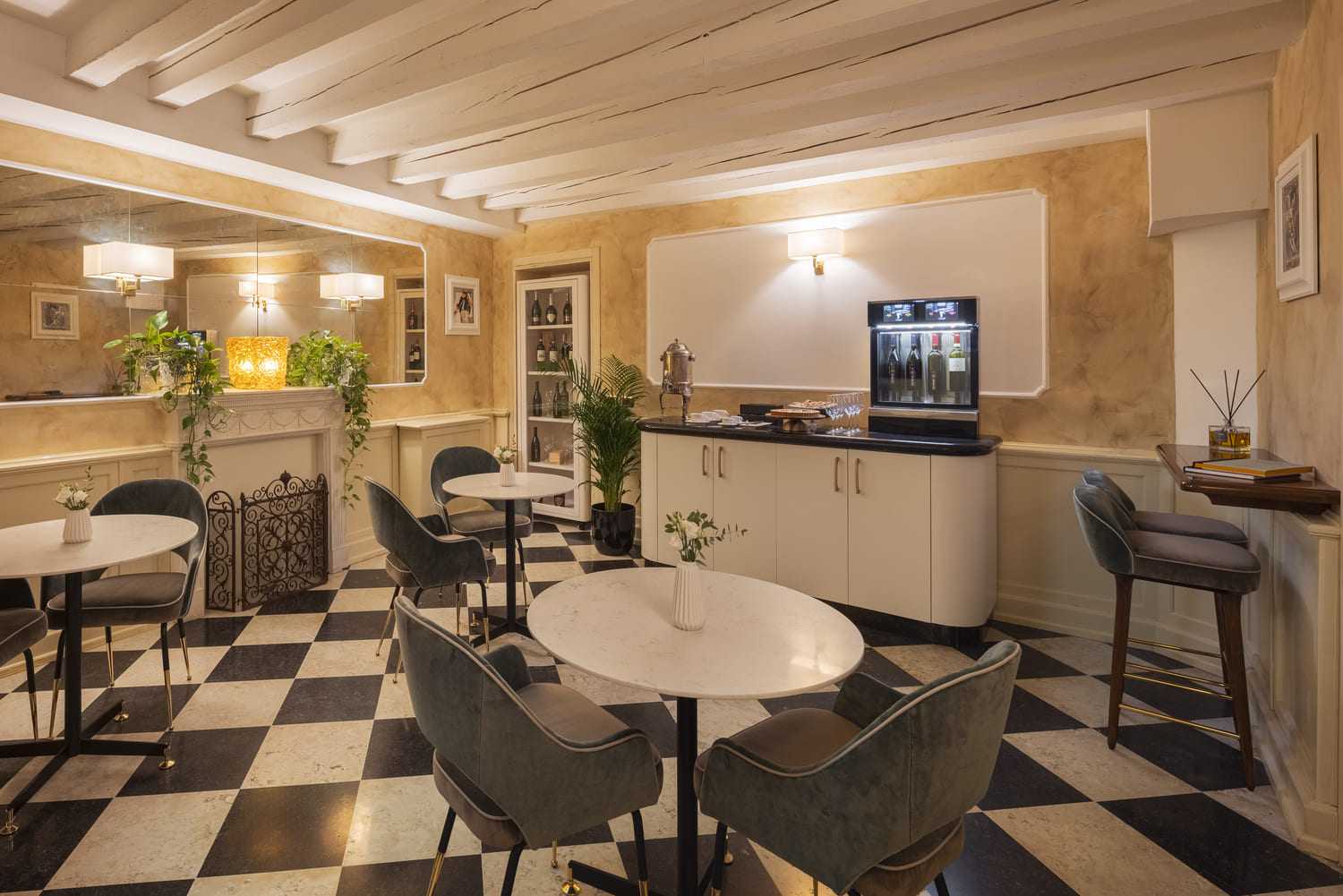
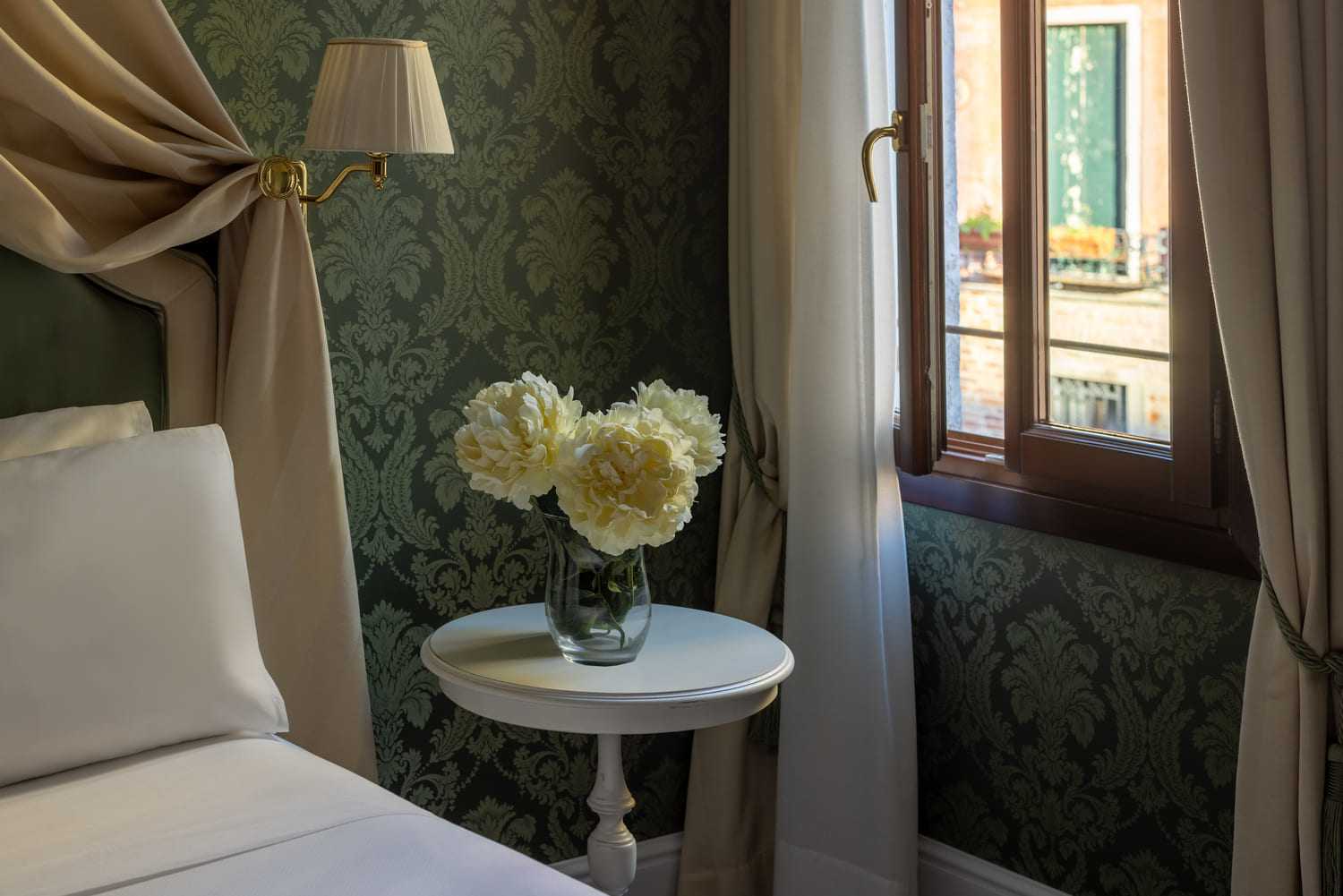
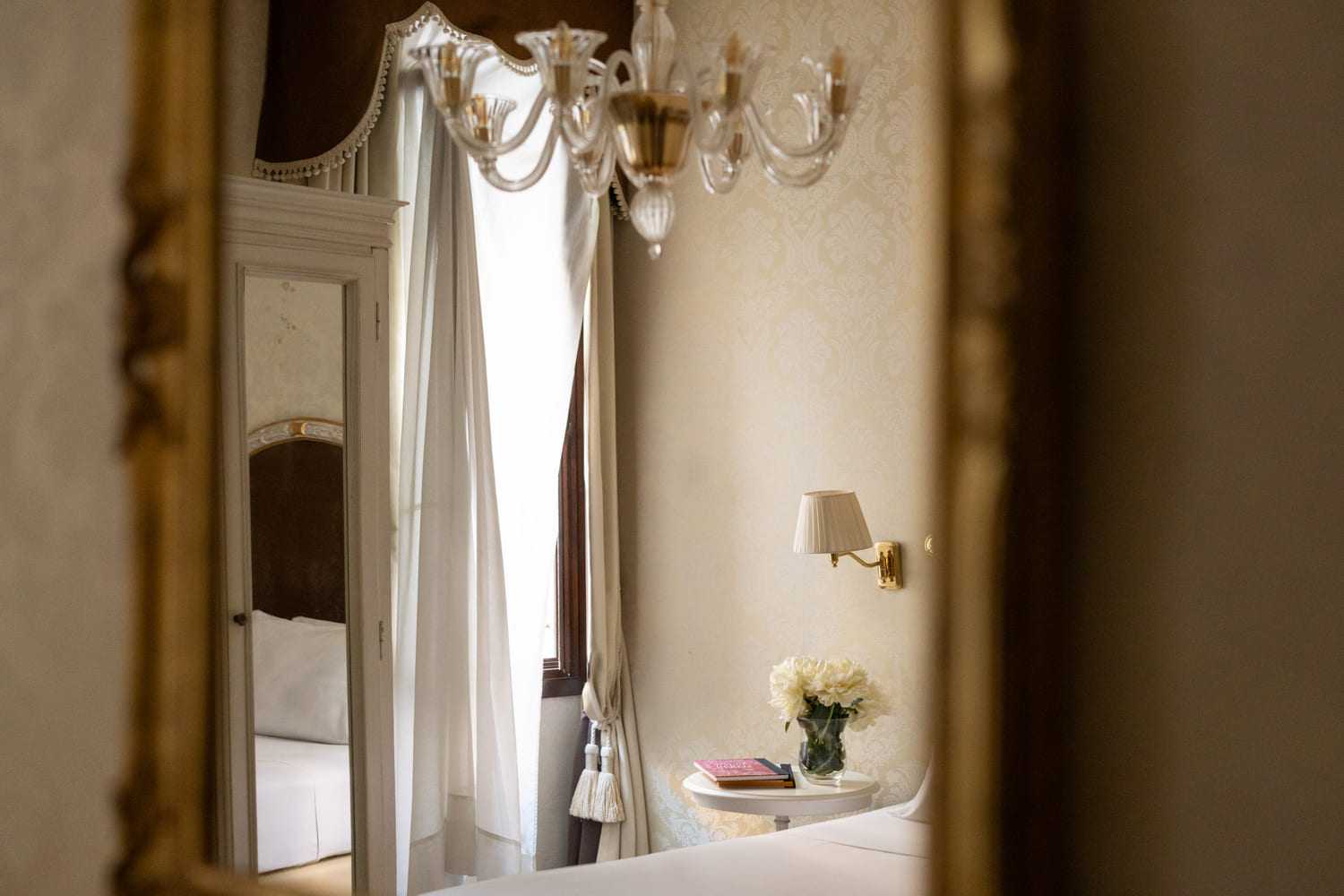
Maison Venezia | UNA Esperienze is situated right in the Cannaregio district mentioned earlier: this is the site of an ancient building restored to its former splendour, perfect for enjoying a stay in Venice that blends tradition, history and modernity. The location is another standout feature: the 4-star hotel is situated in an area of the city away from mass tourism while at the same time close to the main attractions.
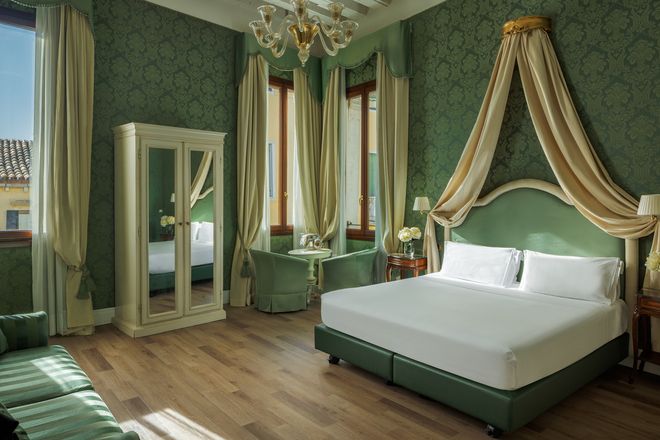
The hotel offers 28 prestigious rooms and suites, where the refined details and well-finished interiors will captivate you from the moment you arrive: from the Murano glass chandeliers to the textiles featuring decorative motifs typical of the great Venetian tradition, every element here is designed to convey a vivid picture of the city.
UNA Hotels Ala Venezia: in the San Marco district
UNA Hotels Ala Venezia is situated in Palazzo Maurogonato, another of the city’s historic buildings, located within the district of San Marco. This 3-star superior hotel has 80 rooms, featuring a contemporary take on classic décor and views over the Rio Santa Maria Zobenigo and Campo Santa Maria del Giglio. A prime location, just a short distance from St Mark’s Square and the Grand Canal, perfect for exploring the city and its main attractions.
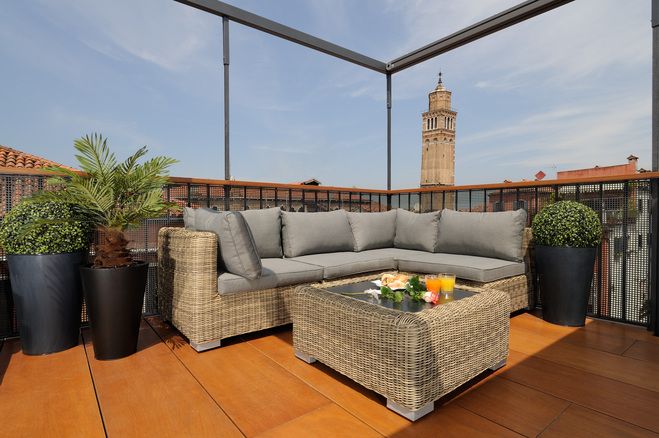
The highlight of the property is its rooftop terrace, which offers a view of Venice’s most iconic buildings: the carefully furnished wooden rooftop structure is the perfect spot to relax with a drink while taking in the view of the city from above.
The 2026 Venice Biennale: plan your visit
The final days of the 2026 Venice Biennale offer a unique opportunity to experience Venice at one of its most culturally vibrant times of the year: from the public programme at the Arsenale to performances by leading international artists, the national pavilions in the Giardini and the historic treasures of the lagoon city, a visit to the Venice Biennale is a chance to immerse yourself in the unique atmosphere of this city.
Whether you choose to spend a weekend among the canals or stay a few days longer to explore the less-visited districts, Venice will surprise you at every turn. Before you set off, remember to buy tickets for the performances on the official Biennale website and to check the times and availability of the events you are interested in, especially the most popular ones. And to make the most of this experience, book your stay at Maison Venezia | UNA Esperienze, in the heart of the Cannaregio district, or at UNA Hotels Ala Venezia, overlooking the San Marco district: two hotels in the heart of the city, ideal for exploring the Biennale and everything Venice has to offer.
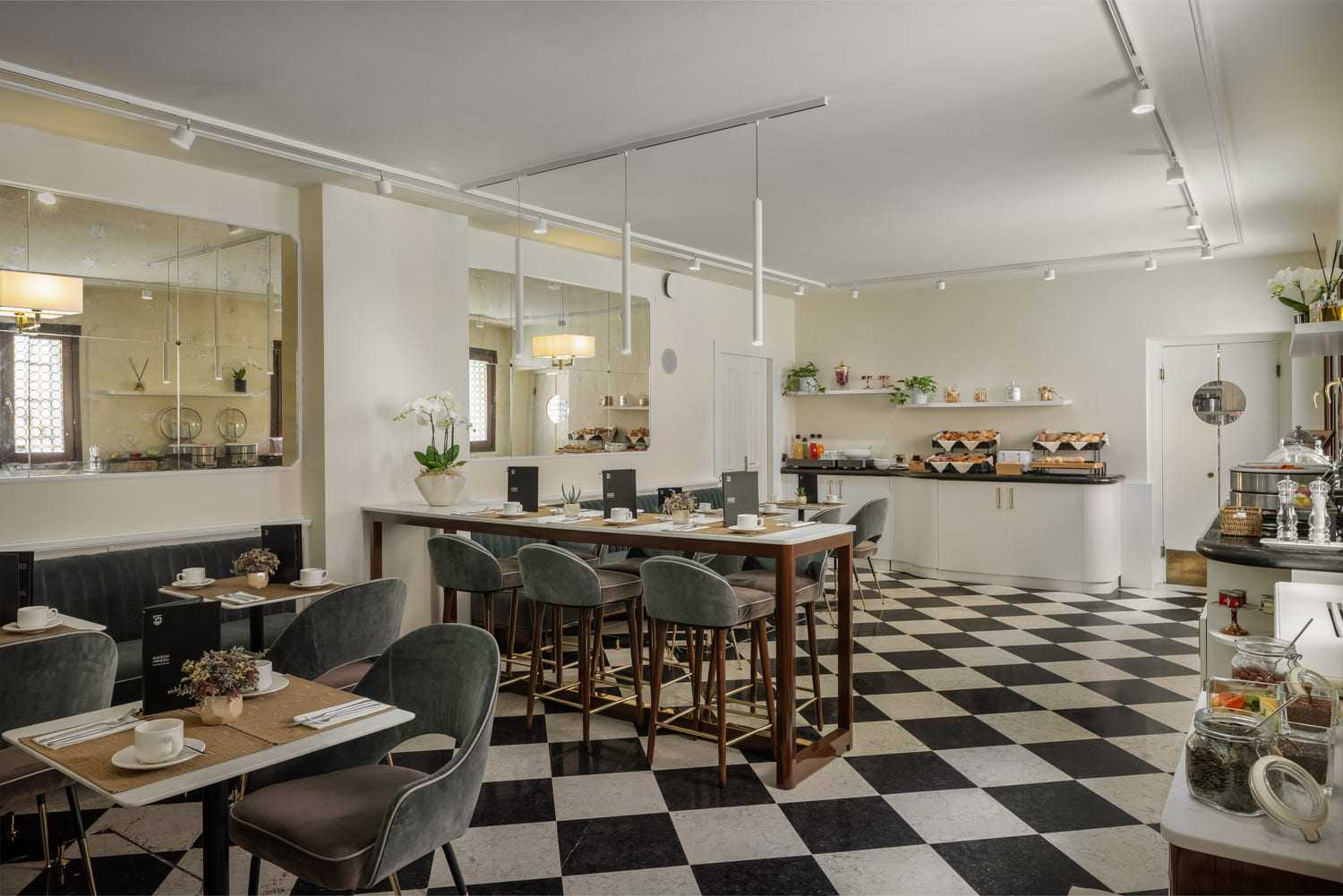
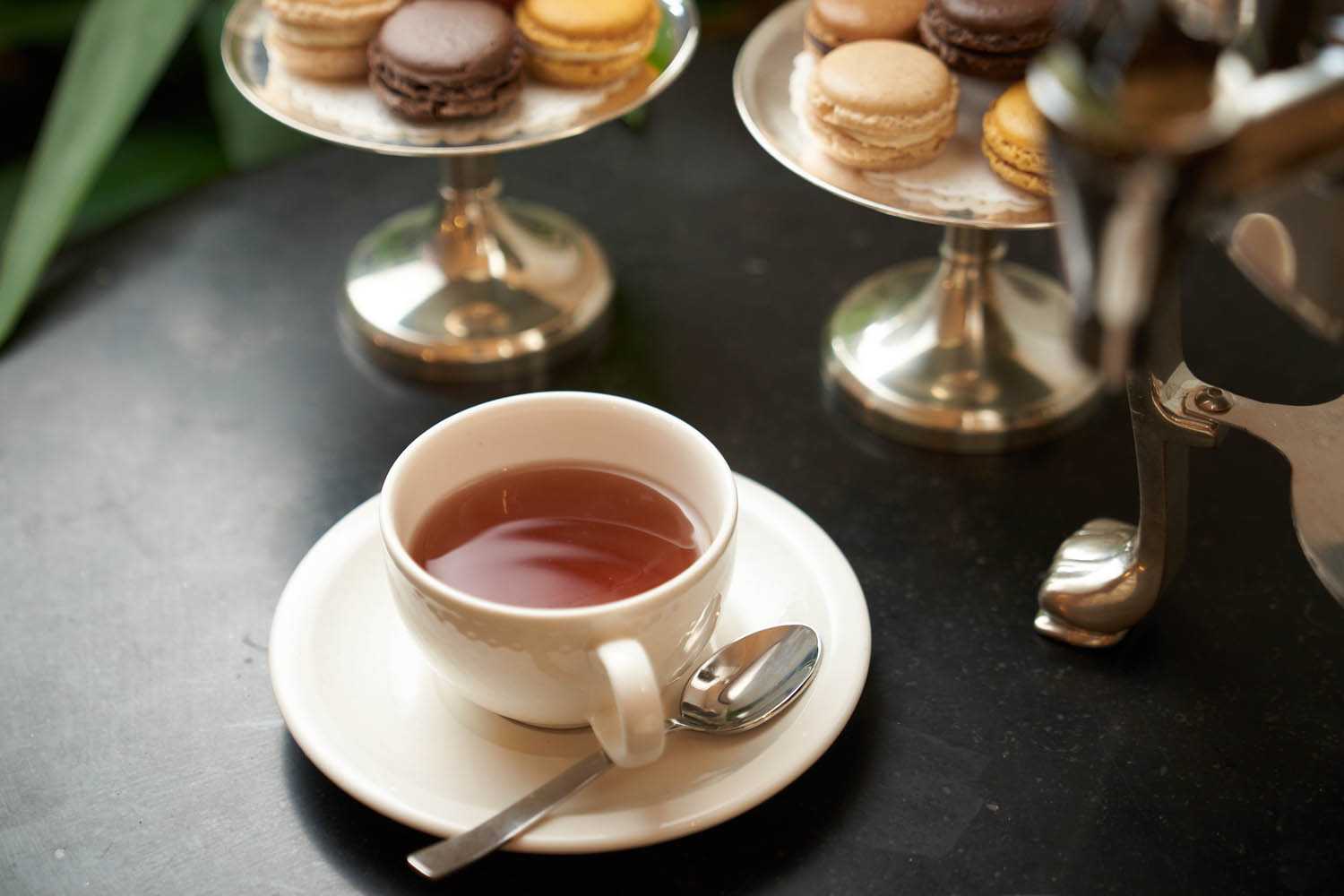
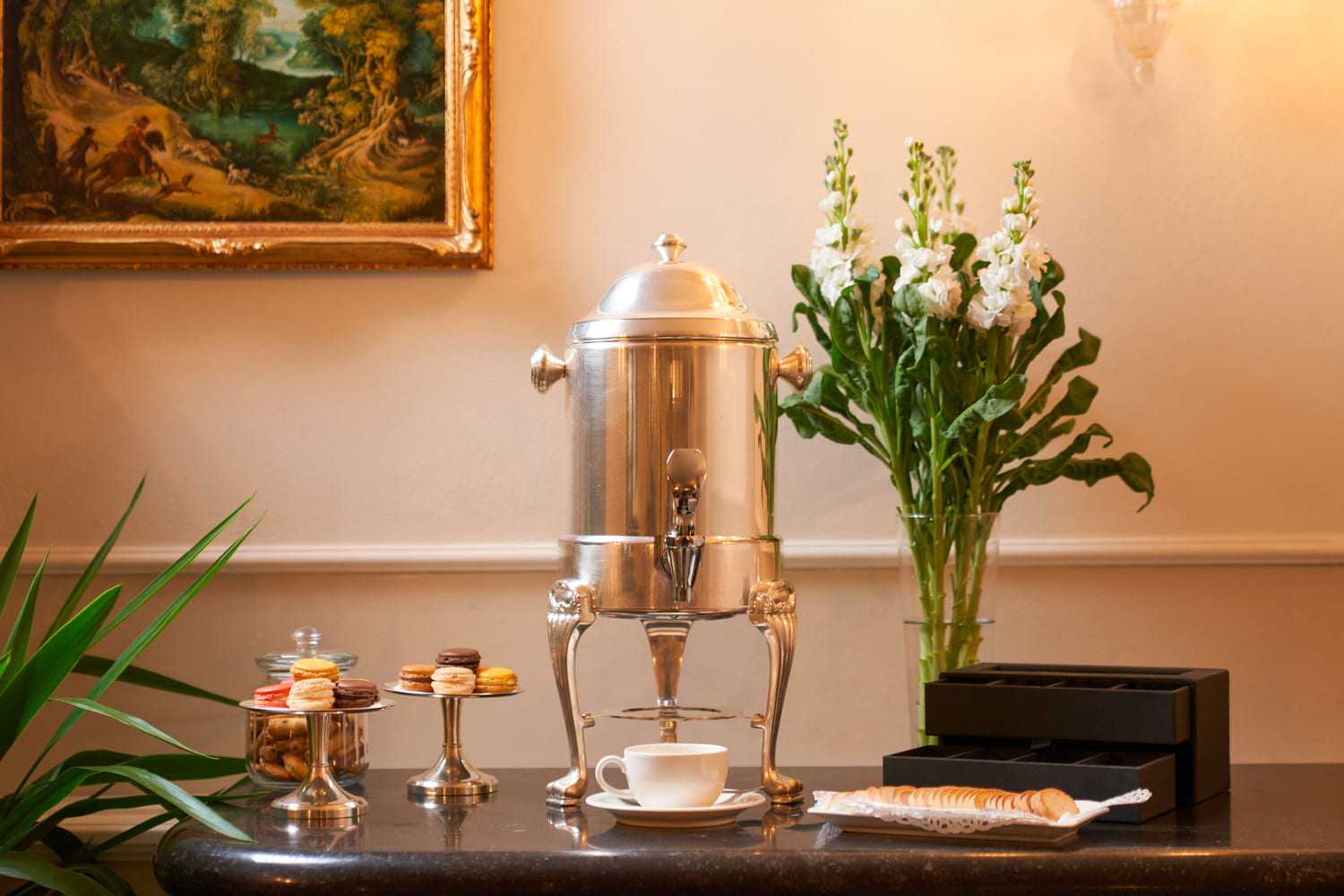
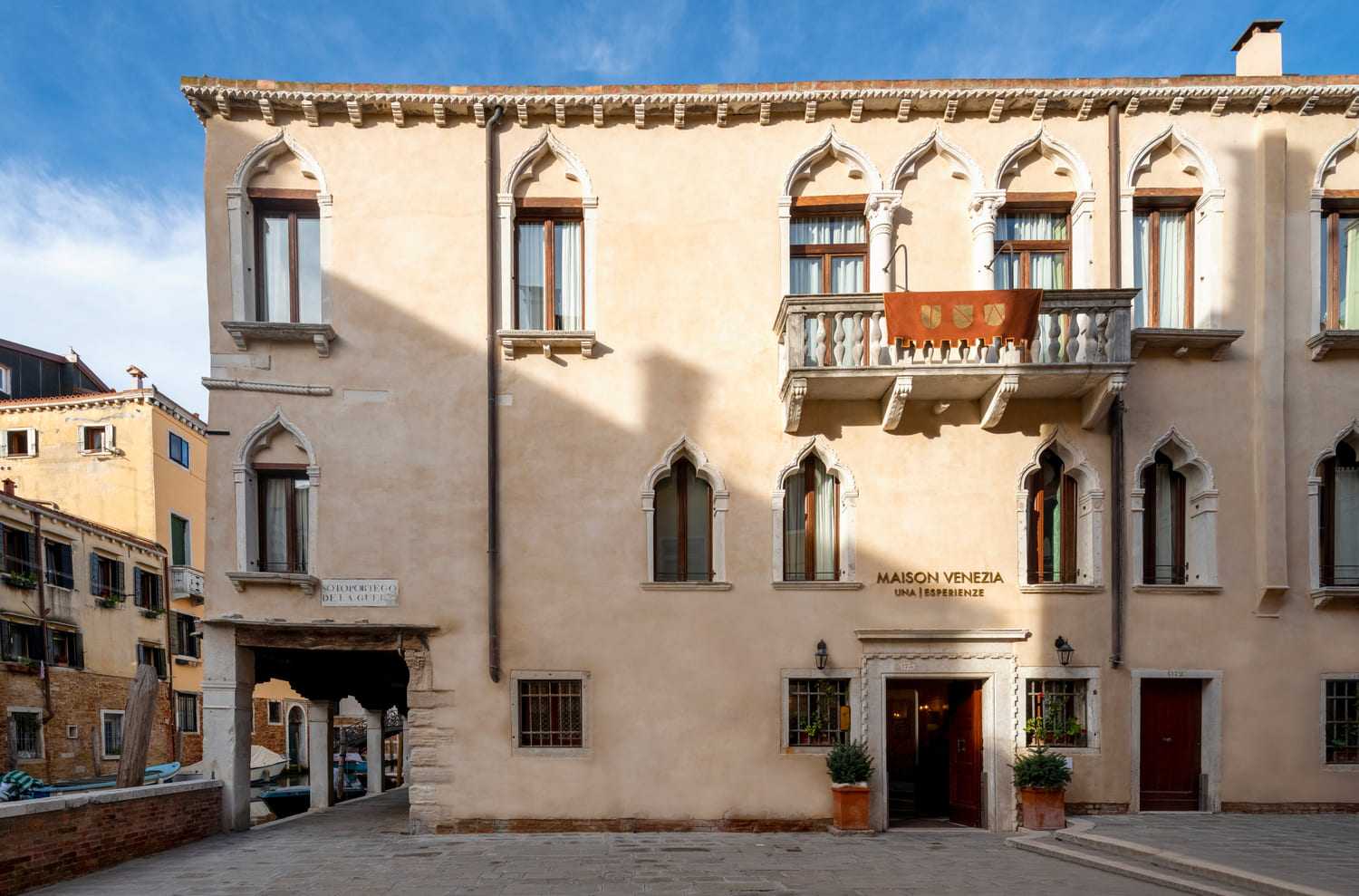
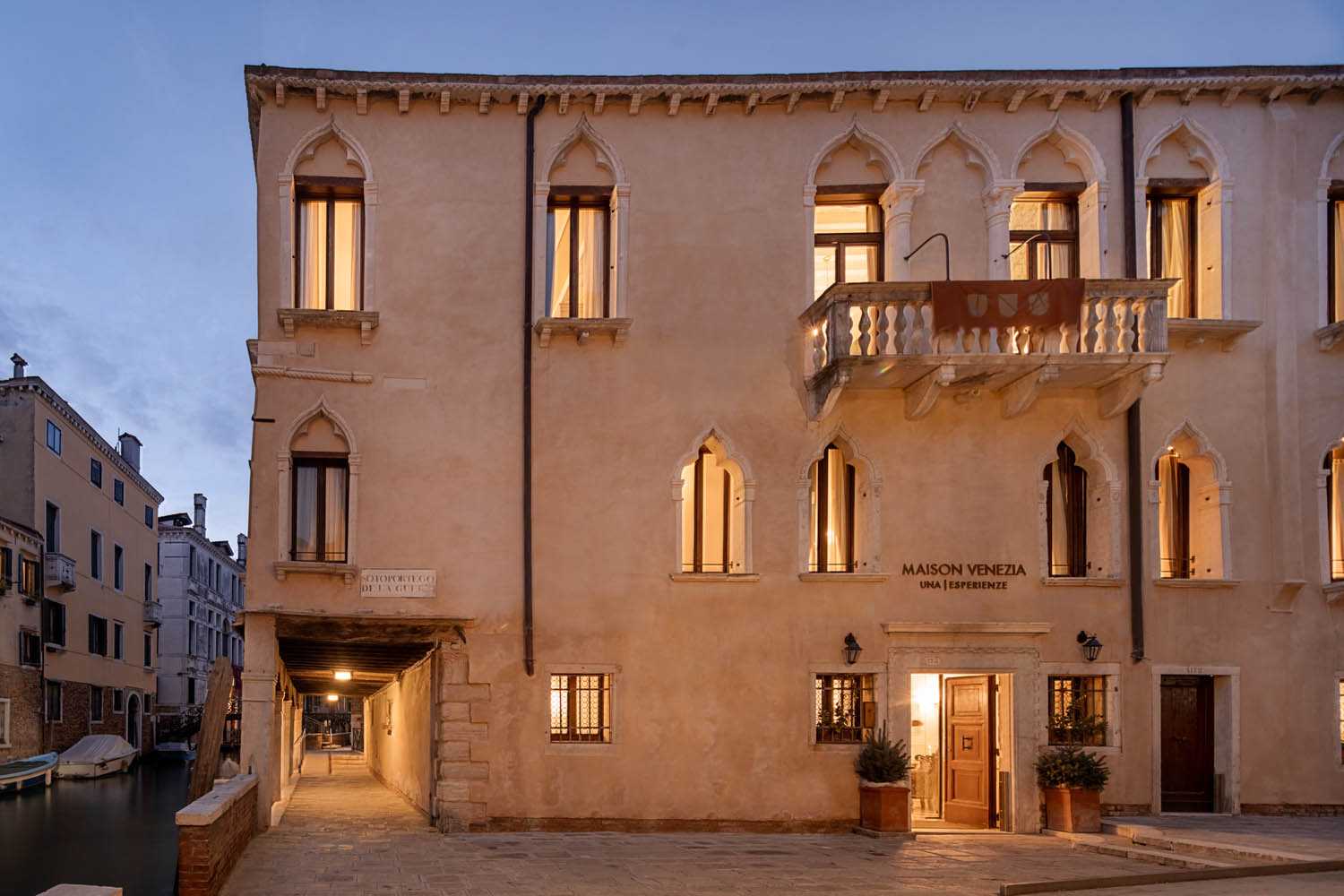
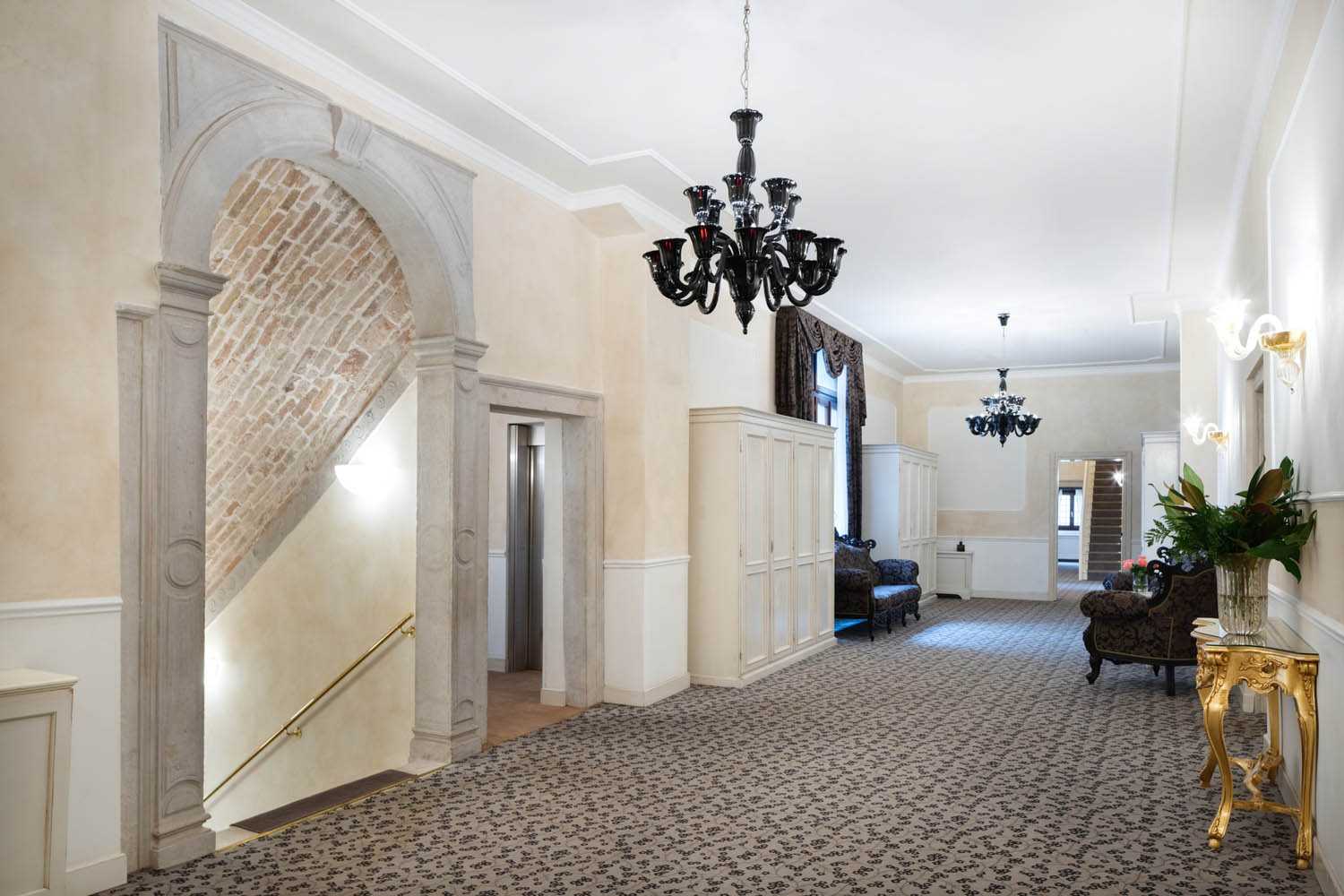
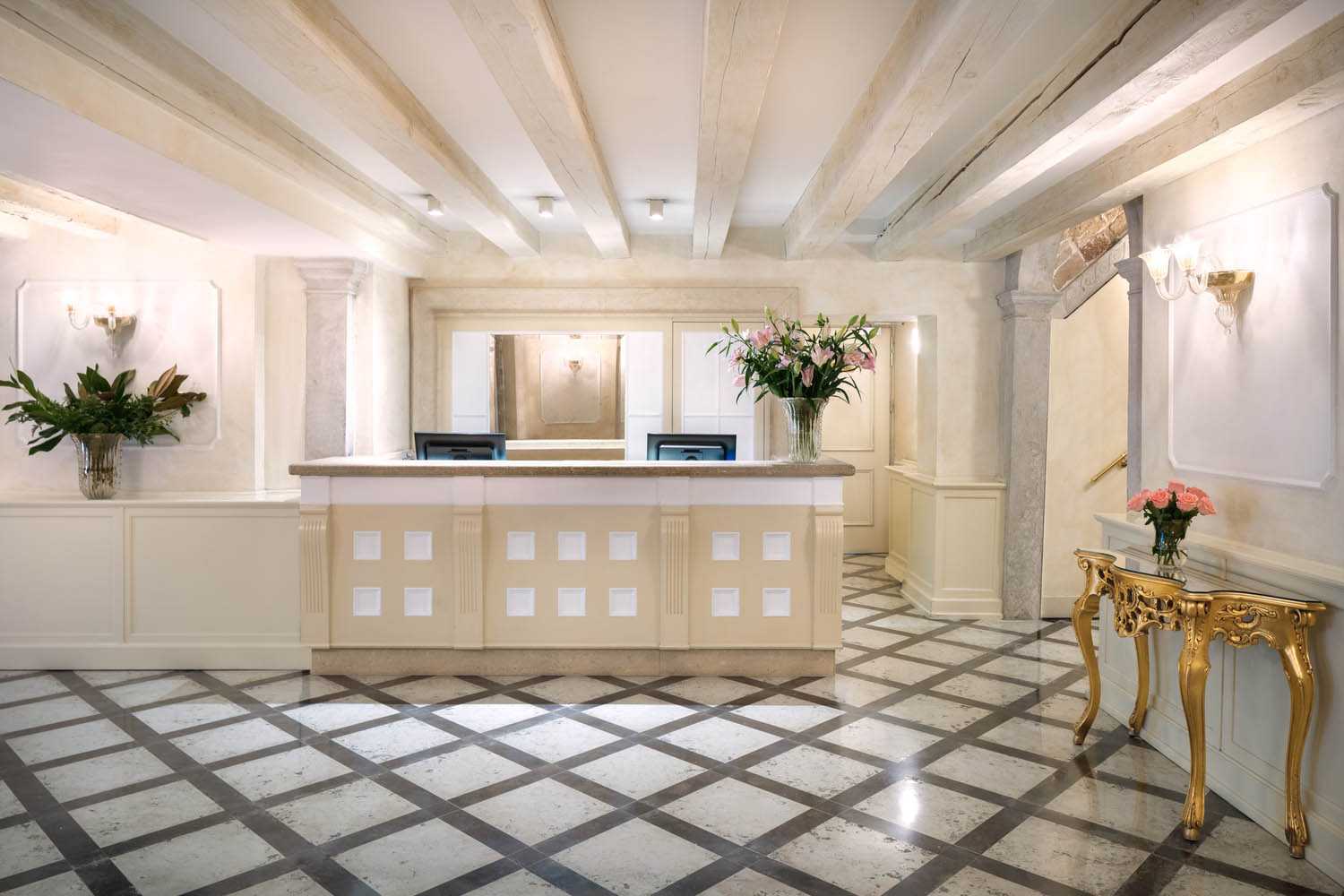
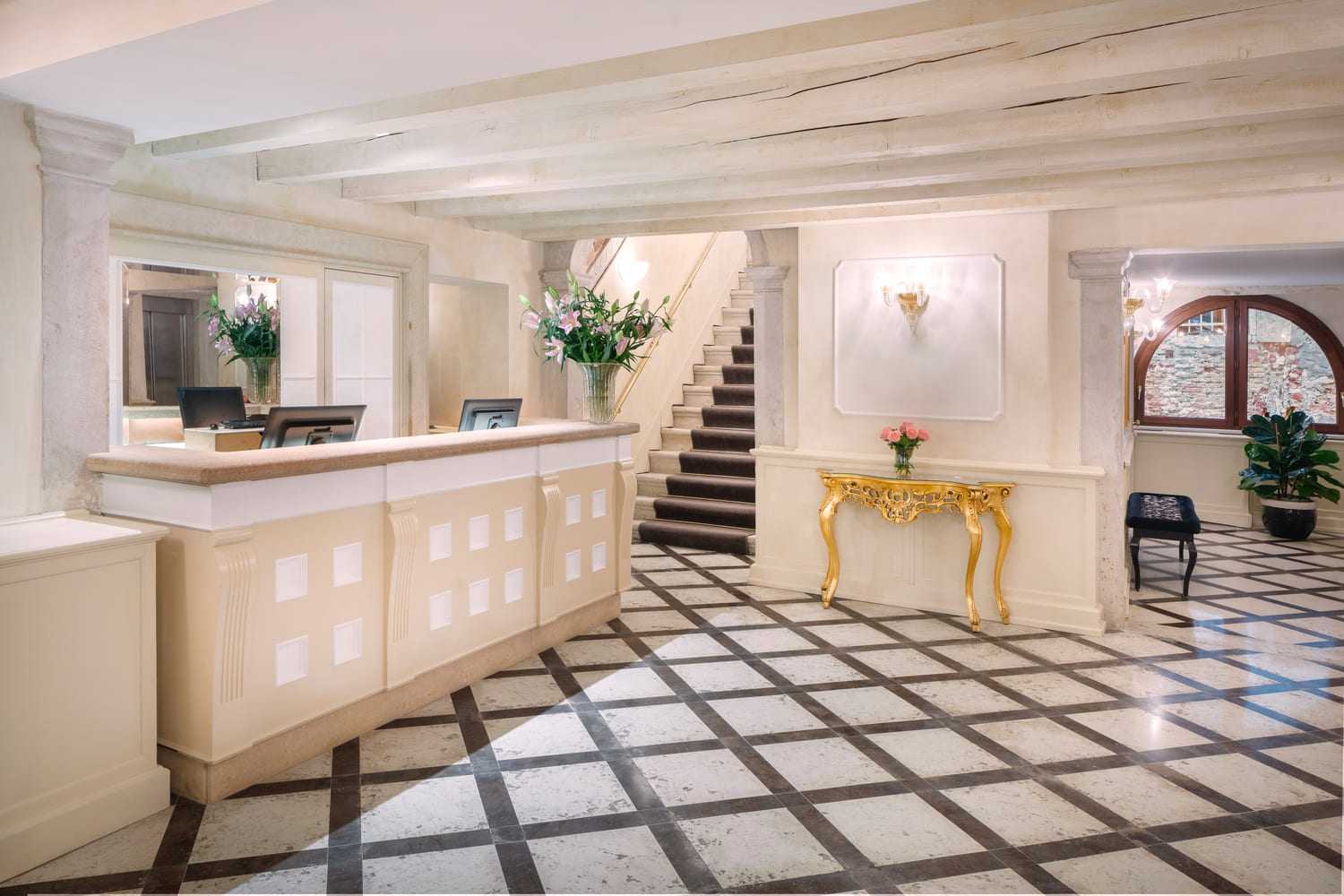
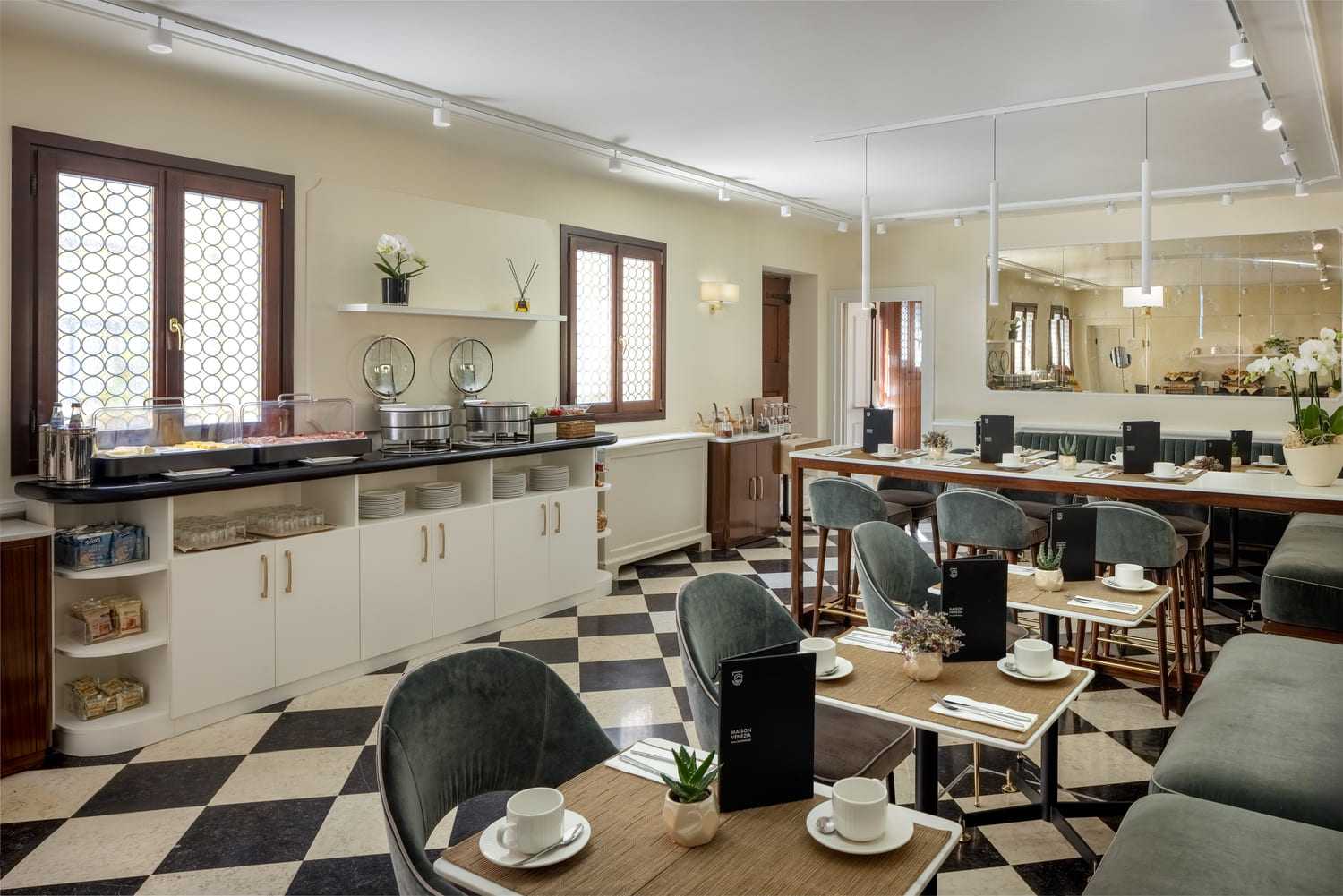

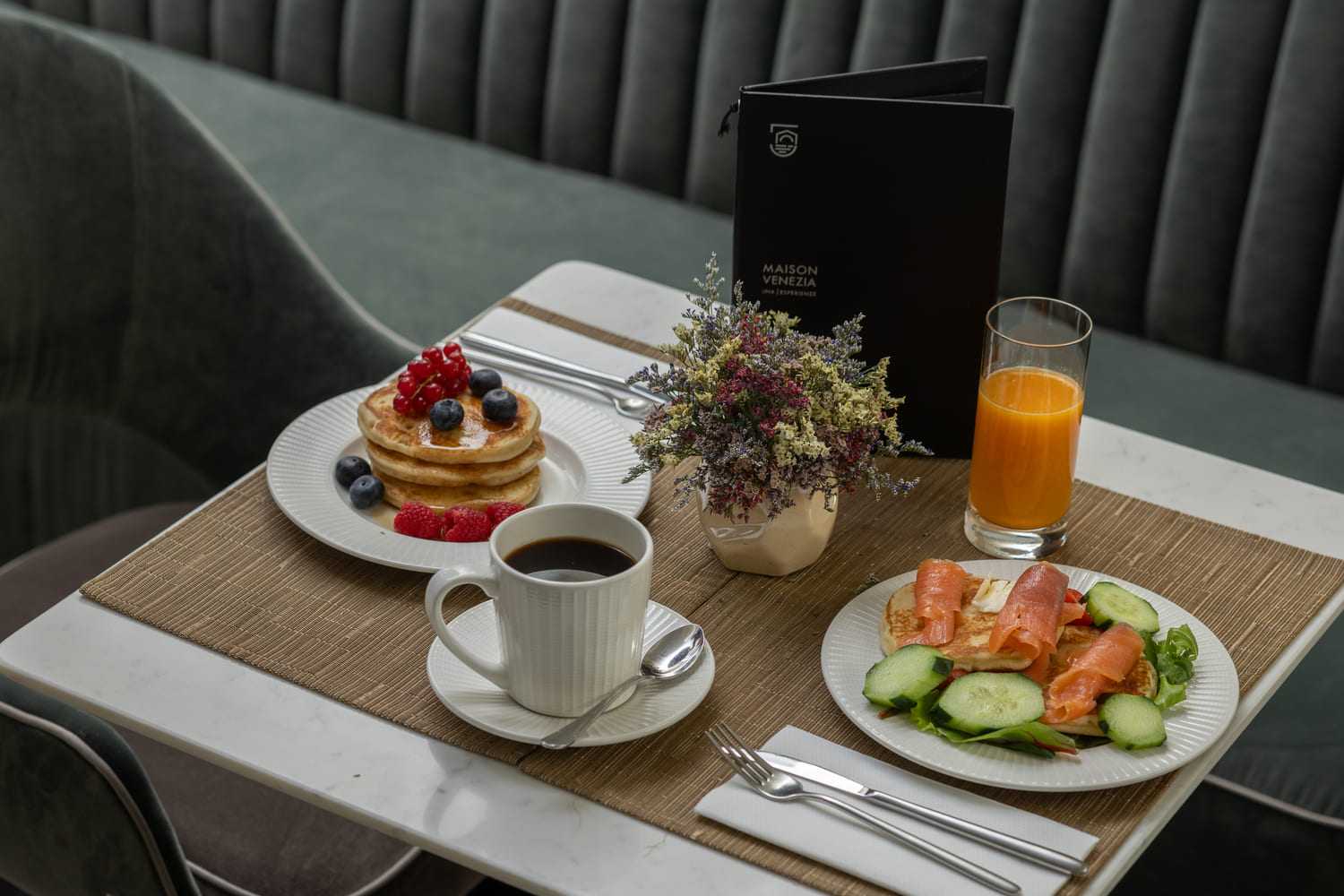
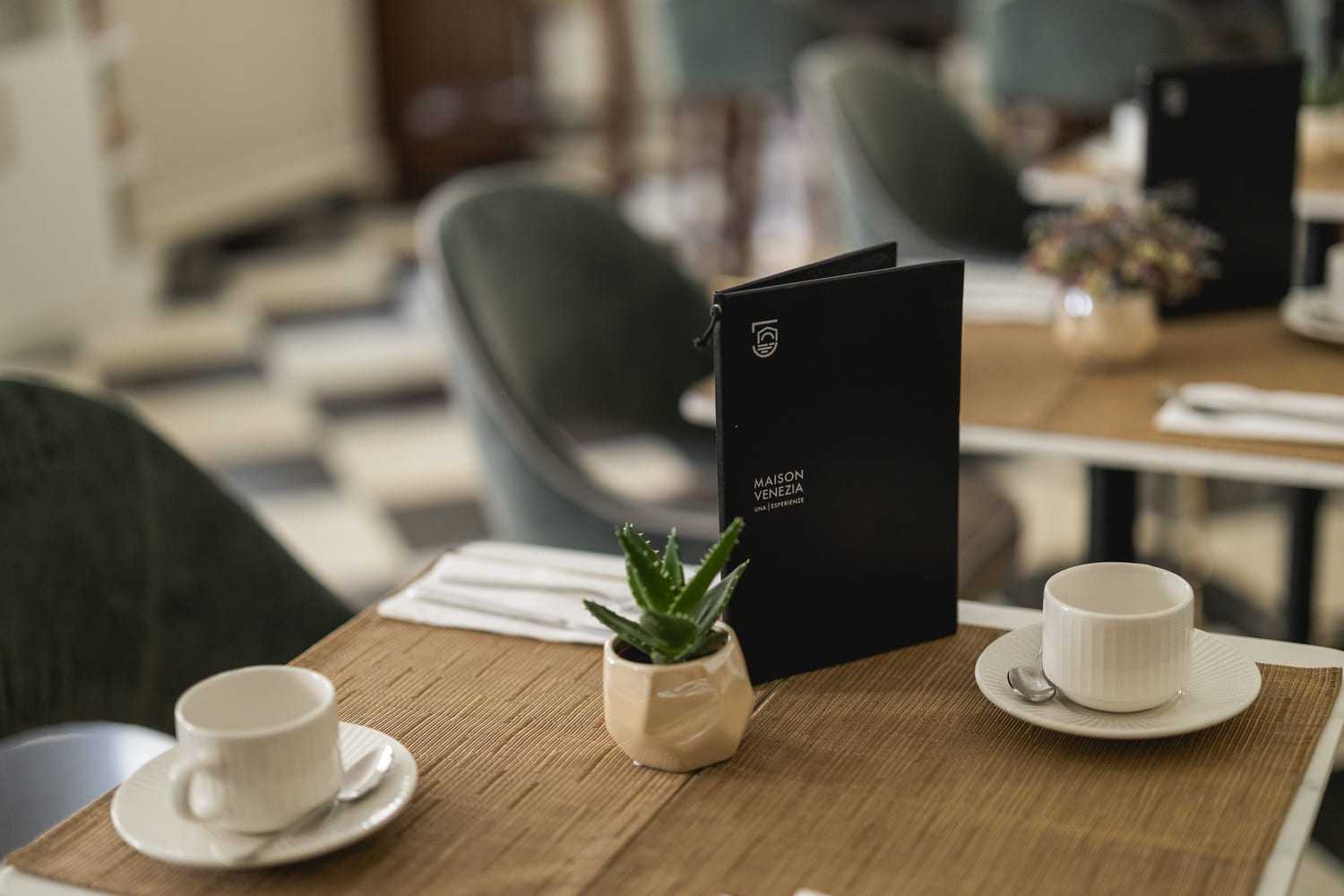
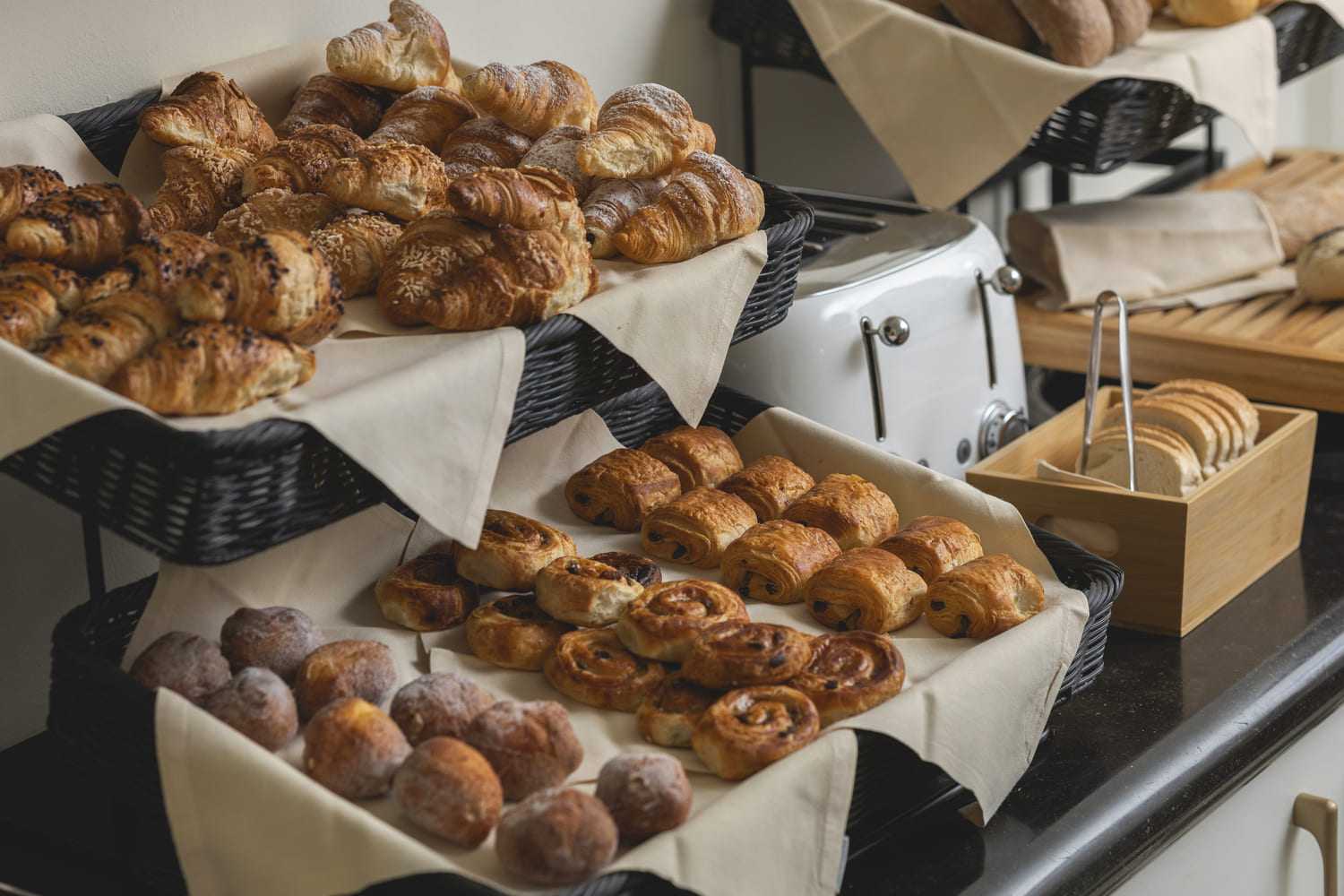
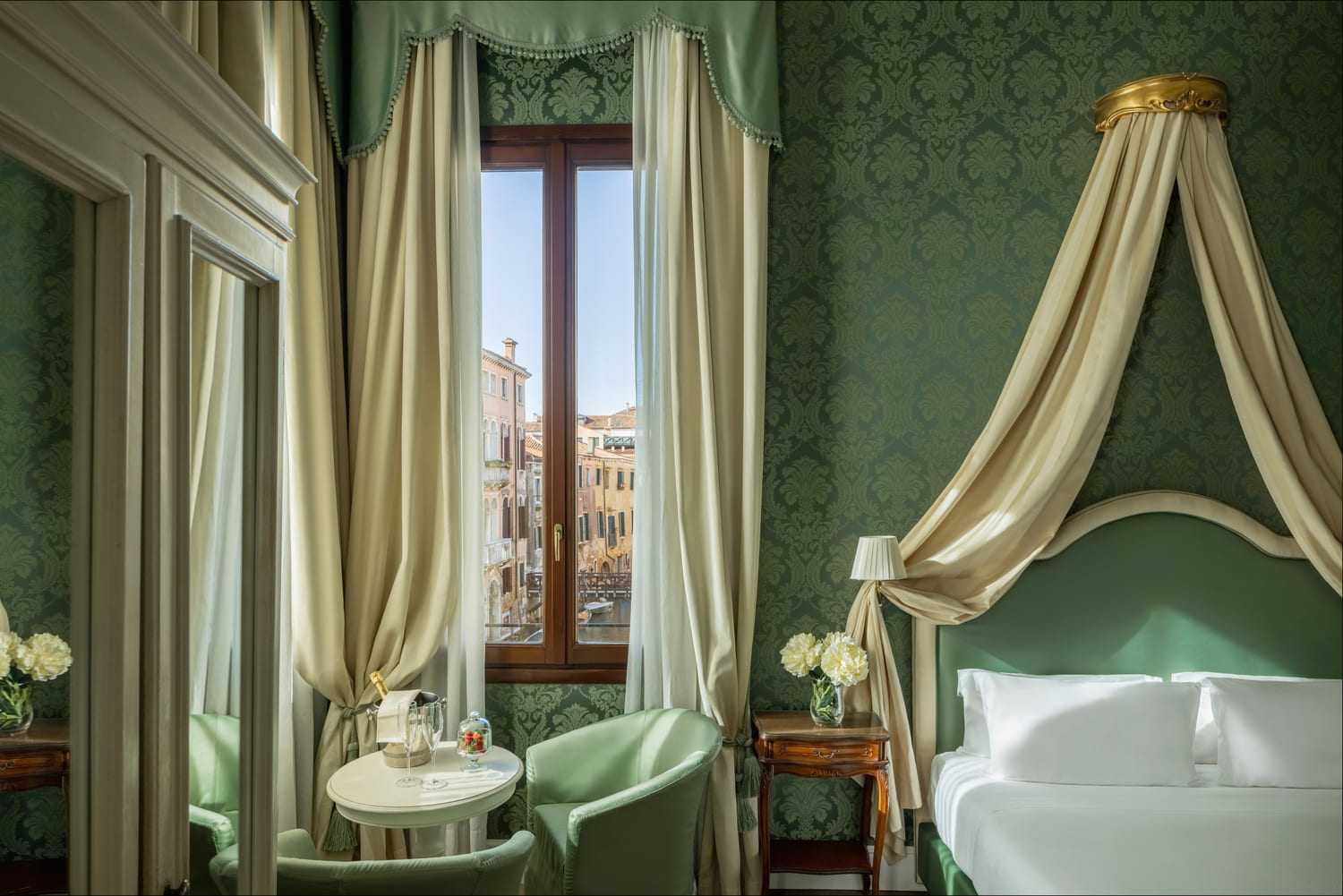
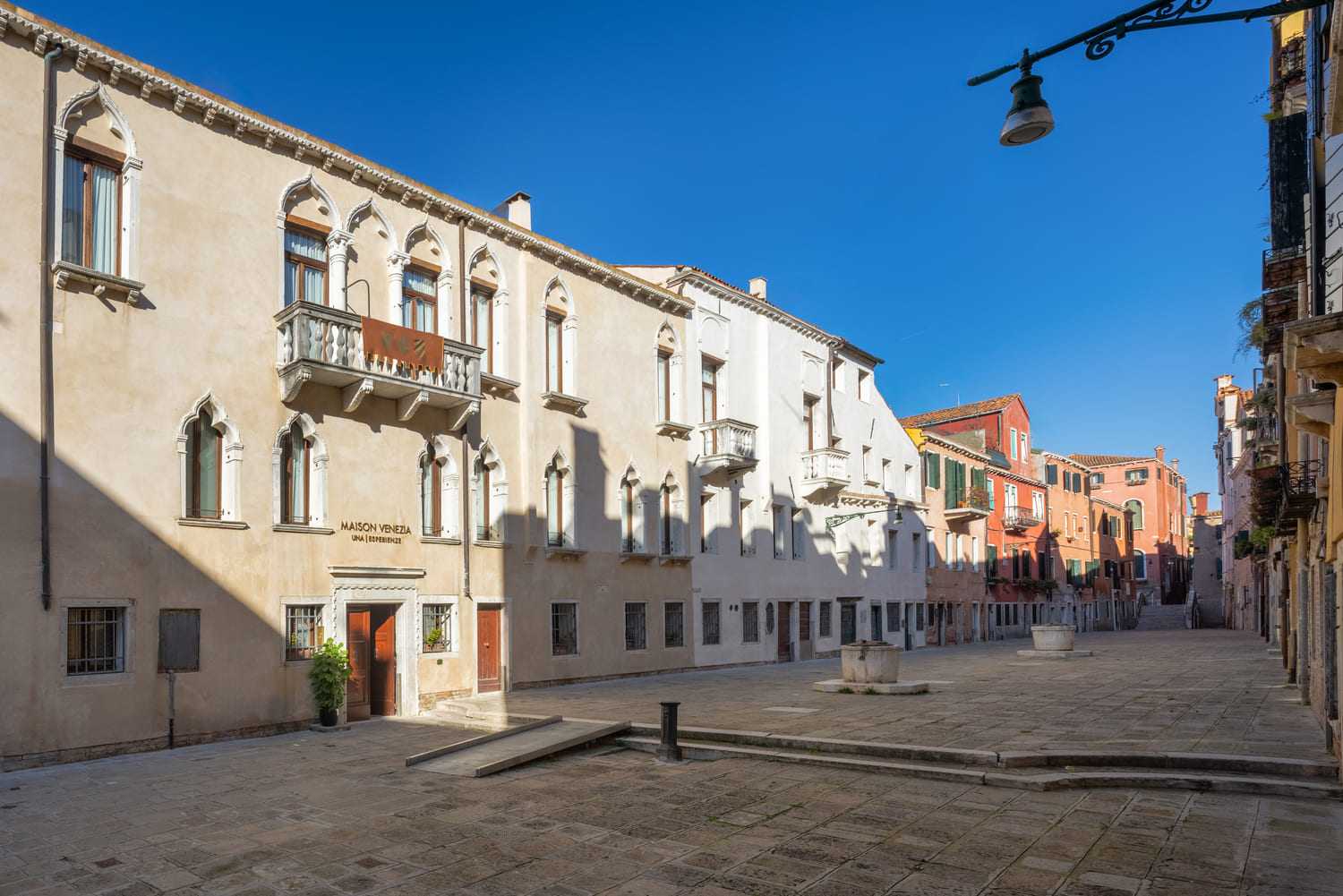
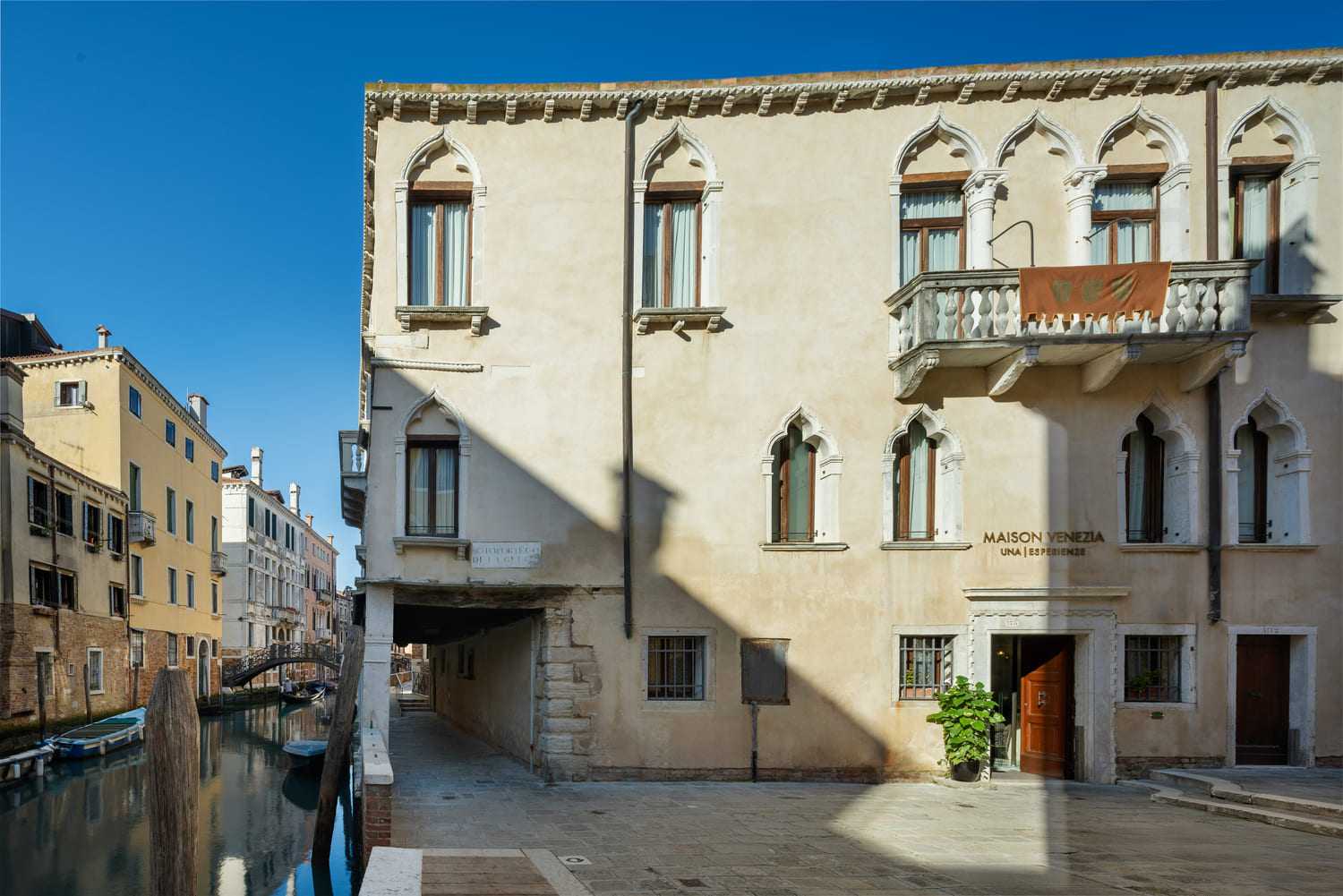

A refined jewel of elegance housed within a prestigious building in the Cannaregio district.


Historic residence full of Venetian charm in the heart of the San Marco district.